Porto Travel Guide: Taxes, Rentals, Transport and Rain in 2026
by RuinMyTrip Editorial · Aug 2, 2026
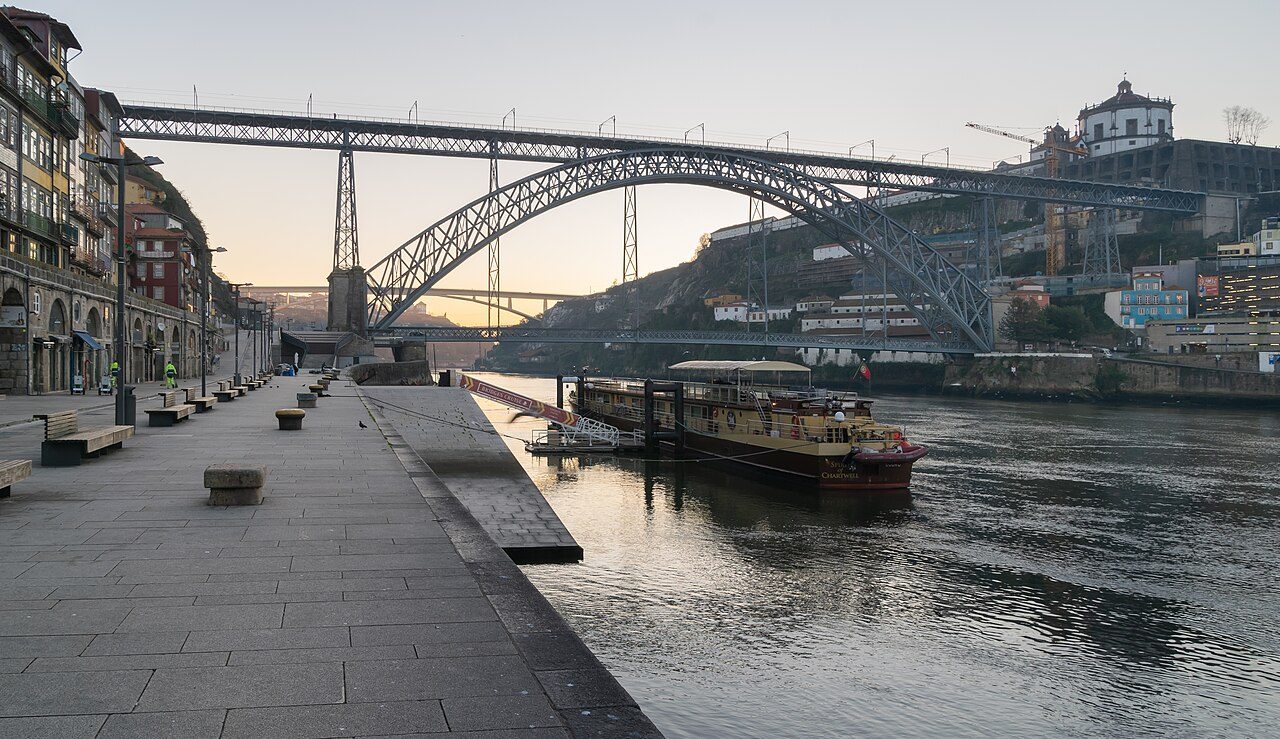
What Porto costs in 2026 after the tourist-tax increase and the short-term rental crackdown, plus how to get around a very steep small city.
Who is going to Porto?
Going soon? Add your dates. Anyone who posts overlapping dates later sees you, and you hear about it.
Looking for a travel buddy? Ask travelers a question What should tourists avoid? Post what went wrong on your trip See who is going Travel buddies in Portugal
Questions from the RuinMyTrip team. Answer one and start the Porto conversation:
- What went wrong on your Porto trip?
- What should tourists avoid in Porto?
- Which neighborhood would you stay in on a first visit to Porto?
Nobody sees your dates until you post them, and nobody can message you until you say yes.
Porto is cheap by Western European standards and the 2026 changes have not undone that, but they have added lines to the bill. The municipal tourist tax rose from around 2 euros to 3 euros per person per night, capped at seven nights, so no more than 21 euros per trip, with revenue directed at cultural heritage and infrastructure. Vila Nova de Gaia, the port-lodge side of the river where many visitors actually sleep, has raised its own tourist tax as well, so check which municipality your hotel is in before assuming the Gaia rate is lower. The bigger structural change is accommodation supply: Portugal's Mais Habitacao programme froze new alojamento local short-term rental registrations nationwide and tightened oversight of existing ones, with central Porto among the explicit targets because short-term rental density has been linked to rising housing costs for residents. Fines for unregistered operators have been reported as high as 40,000 euros, so book through platforms that display a valid AL registration number rather than an informal arrangement.
Day-to-day costs remain low. Numbeo puts an inexpensive restaurant meal at about 8 euros. A francesinha, the layered meat sandwich under melted cheese and beer sauce that Porto is known for, runs roughly 9 to 10 euros, or up to 15 in tourist-facing spots on the Ribeira. Transport is straightforward: a single metro ticket is 1.40 euros and the Andante Tour 24-hour pass is 7.50 euros, which pays for itself past about five rides. The city is small enough to walk, with the important caveat that it is built on a gorge, so almost every walk between the Ribeira waterfront and the upper town is a serious climb on granite that gets slippery when wet.
On timing, treat Porto as an Atlantic city. It gets roughly 1,146 to 1,237 mm of rain a year, with summer averages of 16 to 26 C and winters of 5 to 15 C, so it is mild year-round and wet in every season. Late spring and early autumn are the best combination of weather and crowd level; peak summer brings the bulk of the more than 3 million tourists the city took in 2025 into a historic centre that has been UNESCO-listed since 1996 and has not grown since. The core sights, the Ribeira, the 1886 Dom Luis I Bridge with its 172-metre span, Sao Bento station built between 1900 and 1916, and the Gaia port lodges, are all within a short radius of each other, which is a genuine advantage on a rainy day and a genuine problem in August.
Been there? Correct us.
Prices move, routes close, places go downhill. A first-hand review is worth more than this guide and will be shown alongside it.
Share your experienceComments
Start the conversation.