Lisbon Planning Guide 2026: Fares, Timed Entry, Real Budgets and Scam Hotspots
by RuinMyTrip Editorial · Jul 25, 2026
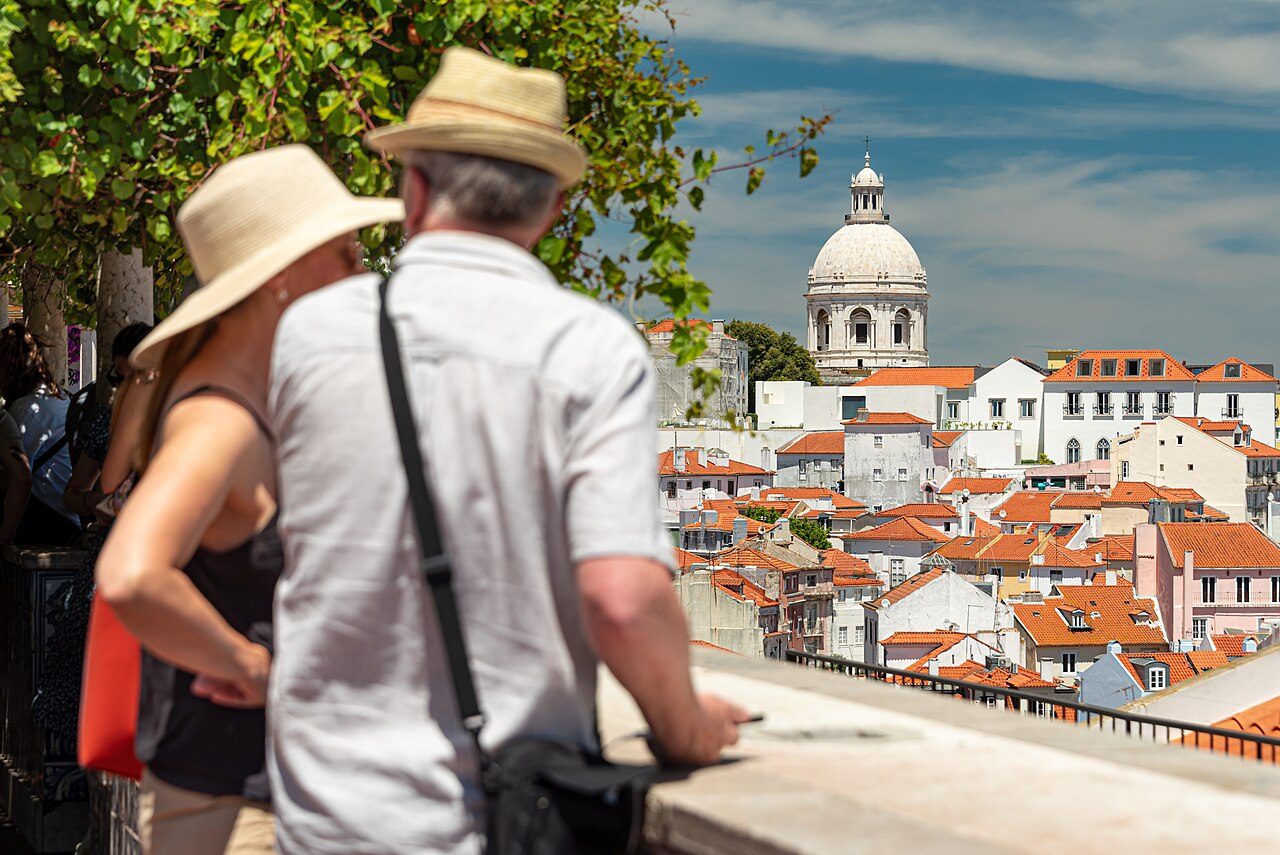
How to plan Lisbon in 2026: month-by-month timing, airport transfers, the January fare rise, which monuments now need booking, honest daily budgets, and where pickpockets actually work.
Lisbon has one of the longest usable seasons of any Western European capital, which means the month you choose changes cost far more than it changes comfort. March through early June is the sweet spot, warm and dry enough for the hills without August heat, and mid-September through October repeats it with warmer ocean water. July and August are the hottest and by far the most crowded, with cruise arrivals stacking on top of the summer flow, and this is when Belem and tram 28E become genuinely unpleasant. June brings the Santo Antonio street festivities that fill Alfama and Graca with grilled sardines and improvised bars. November through February is wet but mild, and the cheapest time to be here by a wide margin, with the caveat that hill streets get slick in rain.
Humberto Delgado Airport sits inside the city, roughly 20 to 30 minutes from the centre. The Metro Red Line runs directly from the terminal for 1.90 euros on a navegante card, or 1.72 euros with zapping, with the reusable card itself costing 0.50 euros. The old Aerobus was permanently discontinued in 2022, so ignore any guide still listing it. A metered taxi to central Lisbon is a modest fare rather than a rip-off, but Portugal's national taxi tariff was rewritten in 2026 onto a combined distance and time meter and meters were still being reprogrammed through the summer, so check the tariff card posted in the car before you set off. Never accept a ride from anyone who approaches you inside the terminal building, since those drivers are unregulated and charge whatever they like.
Getting around is cheap if you buy correctly and expensive if you do not. Load the navegante card and every Metro, Carris bus and tram journey costs 1.90 euros, or 1.72 with zapping. Pay the driver instead and a bus is 2.30 euros and a tram 3.30 euros. The 24-hour Carris and Metro ticket is 7.25 euros, the version including Transtejo ferries to Cacilhas is 10.35 euros, and the version including CP trains, which is what covers Sintra and Cascais, is 11.40 euros. The funiculars, Gloria, Bica and Lavra, are 4.30 euros for up to two journeys, and the Santa Justa Lift is 6.20 euros, which is poor value against the queue it usually carries. Walking is the default in the centre, but the gradients are real and the polished calcada stone is slippery in rain.
Castelo de Sao Jorge is the classic first stop at 17 euros for adults, 8.50 euros for ages 13 to 25, 14 euros for over-65s and free under 12, with the caveat that its main product is a view you can get free from Miradouro da Senhora do Monte or Miradouro da Graca. In Belem, the Jeronimos Monastery cloister is the genuinely unmissable interior in the city, and the adjacent church of Santa Maria de Belem is free. The Torre de Belem reopened on 26 May 2026 after a roughly one million euro restoration and now runs timed entry capped at 60 visitors per 30 minutes and 900 per day, Tuesday to Sunday 09:30 to 17:30 with last entry at 17:00, bookable online or at the Jeronimos ticket office; without a slot, do not plan on getting in. Alfama itself is the free attraction, best walked downhill from the castle in the early morning before the tour groups. Sintra, forty minutes by CP train, deserves a full day rather than an afternoon, and its palaces are ticketed separately from anything in Lisbon.
A realistic mid-range day in Lisbon in 2026 lands around 110 to 170 USD per person. Accommodation is the swing factor, with mid-range hotels typically 90 to 160 USD in shoulder season and higher in summer, plus the 4 euro per person nightly tourist tax for anyone 13 or over, capped at seven nights. Transit is 7.25 euros for a 24-hour Carris and Metro pass or roughly 4 to 6 euros a day on pay-as-you-go. Attractions run 8 to 20 euros each, with the 17 euro castle at the top of the normal range, so two paid sites a day is a sensible ceiling. Food is where Lisbon still wins, with coffee and pastries costing a couple of euros and a neighbourhood lunch a fraction of what the same meal costs in Paris or Amsterdam. Budget travellers can hold 55 to 80 USD a day using hostels, set lunches and the pass.
On safety, Lisbon ranks among Europe's safest capitals for violent crime, and the risk you actually face is theft. Tram 28E is the highest-risk single location in the city, worked by teams who block doors and create distractions in the crush; take 12E or a parallel bus instead, or ride 28E at 7am from the Martim Moniz terminus with your bag in front of you. Rossio and the Baixa grid are the second hotspot, where strangers offering drugs are almost never selling drugs, since the product is typically crushed leaves and the transaction is a pretext for a second person to lift your phone. Petition clipboards and shell games work the same squares. Keep nothing in a back pocket, use a zipped cross-body bag, and treat any unsolicited approach in Baixa as the opening move of a theft rather than a conversation.
Been there? Correct us.
Prices move, routes close, places go downhill. A first-hand review is worth more than this guide and will be shown alongside it.
Share your experienceComments
No comments yet.