Kyoto Trip Planner 2026: Costs, Crowds, Transit and the New Lodging Tax
by RuinMyTrip Editorial · Jul 25, 2026
A month-by-month, fare-by-fare planning guide to Kyoto in 2026, covering airport transfers, the restructured lodging tax, temple entry fees, realistic daily budgets and where the crowds actually sit.
January and February are the cheapest and emptiest months in Kyoto, cold but comparatively dry, with business hotel rates falling well below spring levels. March warms fast, and cherry blossoms usually peak from late March into the first days of April, which is the single most crowded and most expensive window of the year alongside November. Late April and early May bring Golden Week, when Kyoto room rates run among the highest in the country and availability collapses. The tsuyu rainy season settles in from early June to mid-July. July and August are punishing, with highs above 33C and humidity over 70 percent, and July is also Gion Matsuri month. September carries typhoon risk, with Kyoto typically catching one to three storms in the late-August to September stretch. October is the quiet compromise nobody talks about. Autumn foliage peaks from mid-November into early December, spectacular and completely mobbed.
Kansai International is the main gateway, roughly 75 to 90 minutes from Kyoto. The JR HARUKA limited express runs direct to Kyoto Station, and foreign passport holders entering Japan on Temporary Visitor status can buy a discounted one-way HARUKA ticket for 2,200 yen for adults and 1,100 yen for children, materially cheaper than paying the standard base fare plus limited express charge. Buy it before clearing the JR gates and carry your passport, since it must be presented at purchase. Limousine buses also run from both Kansai and Osaka Itami. Taxis from Kansai are extremely expensive and only make sense for a group arriving after the last train, which departs Kansai for Kyoto around 10:16pm.
Kyoto is a rail city pretending to be a bus city. City buses charge a 230 yen flat fare in the central zone and are the single most congested part of the network, which is why the old 700 yen bus-only day pass was deliberately abolished. The Subway and Bus 1-Day Pass at 1,100 yen for adults and 550 yen for children covers both municipal subway lines, most city bus routes, and the EX100 and EX101 sightseeing express buses that otherwise cost 500 yen per ride. ICOCA, Suica and PASMO cards work across buses and subway. Rented bicycles are genuinely the fastest way across the flat central grid, and walking Higashiyama end to end beats queueing at Kyoto Station bus stop D, which regularly fills to capacity and leaves people waiting for the next bus.
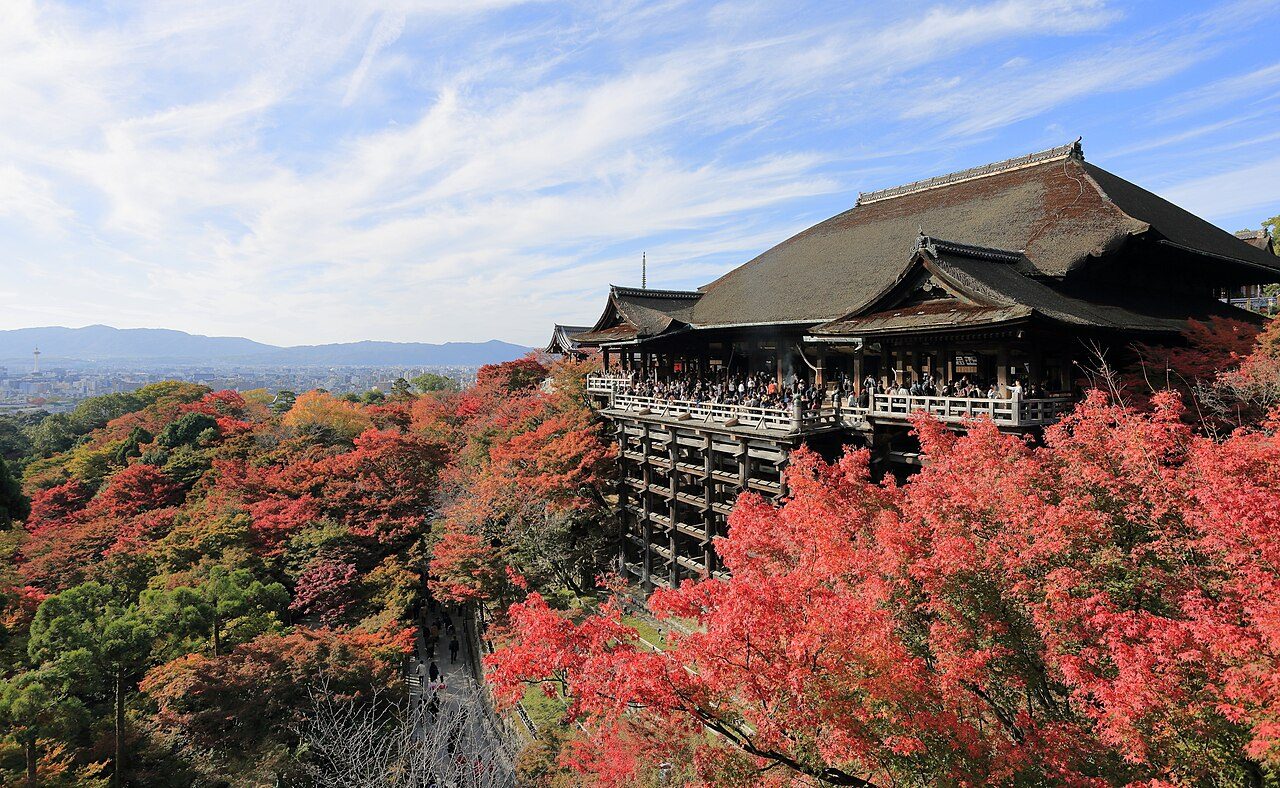
Fushimi Inari Taisha is free, open at all hours, and the only major site you can realistically have to yourself if you arrive by 8:00am; walk past the first dense torii tunnel and the crowd thins dramatically. Kinkaku-ji costs 500 yen and is open 9:00 to 17:00, and it is a single fixed viewing loop of maybe twenty-five minutes, so treat it as a stop rather than a morning. Kiyomizu-dera is 500 yen, and the approach streets of Sannenzaka and Ninenzaka are both the real attraction and the real crush. Nijo Castle is 800 yen for the grounds or 1,300 yen with Ninomaru Palace and its nightingale floors, with Honmaru Palace a separate 1,000 yen reserved ticket and the painting gallery another 100 yen. Arashiyama's bamboo grove is free and, honestly, close to a skip after 9:00am, since it is a short path; nearby Tenryu-ji and the wider Sagano area repay the trip far better. Gion is worth an evening on Hanamikoji Street itself, never in the side alleys.
Budget roughly 130 to 200 USD per person for a mid-range day in Kyoto in 2026. Budget accommodation in a business hotel typically sits around 60 to 110 USD in shoulder season and considerably more in April and November, with reported peak-season business hotel rates climbing from about 10,000 yen to 25,000 yen a night, plus the per-person lodging tax of 200 to 1,000 yen at those price points. Food is the bargain of the trip, with ramen or a set lunch around 6 to 10 USD and a good dinner 20 to 35 USD. Transit costs about 8 USD a day with the 1,100 yen pass. Temple entries run 3 to 9 USD each, and three a day is plenty. Backpackers can hold 70 to 90 USD a day with hostels and convenience store meals. Anyone booking a ryokan with kaiseki should expect 300 USD and up, and the top lodging tax band of 10,000 yen per person per night applies once the nightly rate reaches 100,000 yen.
Kyoto is one of the safest large cities anywhere and violent crime against visitors is rare, so the risks are procedural rather than personal. Carry cash, because smaller temples, shrine offices and older restaurants still refuse cards, and IC card top-ups need yen. Avoid unlicensed geisha-experience touts, and never photograph geiko or maiko without explicit consent, which Gion now enforces, alongside the residents' council's 10,000 yen penalty for entering the private alleys off Hanamikoji. Expect luggage friction on crowded buses at peak times. Above all, check the city's official congestion forecast before setting out, since it is published specifically because the crowd problem is real.
Places this guide mentions
Been there? Correct us.
Prices move, routes close, places go downhill. A first-hand review is worth more than this guide and will be shown alongside it.
Share your experienceComments
No comments yet.