Chiang Mai Practical Guide: When to Go, Getting Around, and Where to Save Money
by RuinMyTrip Editorial · Aug 1, 2026
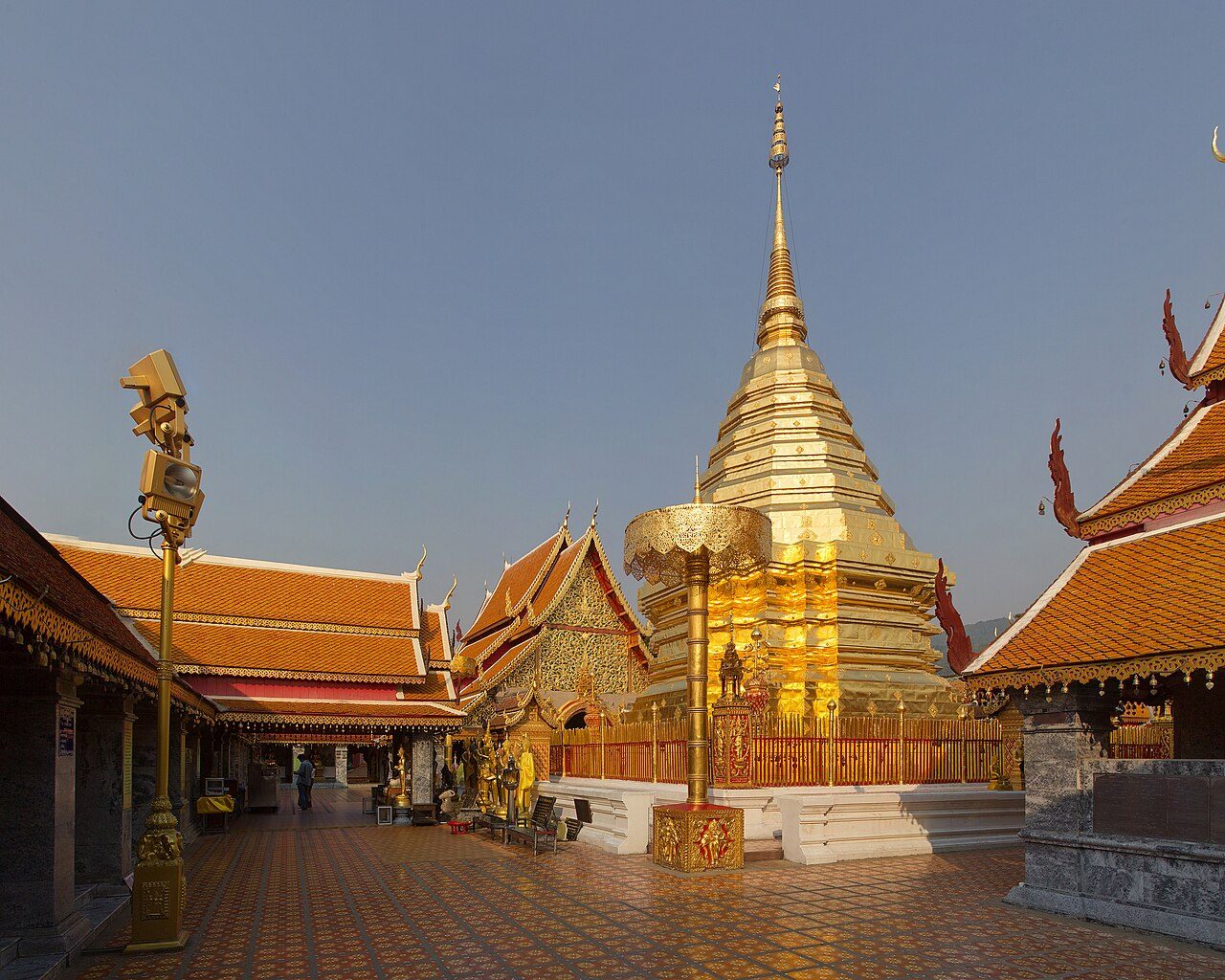
How to time a Chiang Mai trip around burning season, get around the city cheaply, and stretch a budget across the Old City, Nimman, and Santitham.
Who is going to Chiang Mai?
1 conversation
Going soon? Add your dates and see whose overlap yours.
Looking for a travel buddy? Ask travelers a question What should tourists avoid? Post what went wrong on your trip See who is going Travel buddies in Thailand
Latest in the Chiang Mai community
Nobody sees your dates until you post them, and nobody can message you until you say yes.
The best time to visit Chiang Mai is November through early February, when the air is clearest, temperatures are mild, and burning season smoke has not yet started. Avoid February through April if you can help it, since that stretch is when fields are burned across the region ahead of planting and the resulting haze regularly pushes the city's air quality into the unhealthy range, with PM2.5 spiking well above WHO guidelines in March in particular. The rainy season, roughly June through October, clears the air but brings frequent afternoon downpours.
Base yourself in the Old City if you want walkable access to temples and the Sunday Walking Street market, or Nimman if you want a denser concentration of coworking spaces, coffee shops, and a younger nomad crowd. Santitham sits between the two and tends to be cheaper for long stays while still being a short songthaew ride from both. Getting around does not require a car: red songthaew trucks run fixed 30 baht fares for short hops within the Old City and jump to 100 to 150 baht for trips out to Doi Suthep or the airport, and Grab covers point to point rides for roughly 50 to 180 baht depending on distance. A Honda Click 125 scooter rents for 150 to 300 baht a day if you want more freedom, though during burning season a closed car keeps more smoke out than an open bike.
To save money, eat where locals eat. Shopfront restaurants serve khao soi and pad see ew for 50 to 80 baht, well under what the same dishes cost at a tourist facing restaurant in the Old City. A dorm bed in Santitham or the Old City runs 200 to 400 baht a night, and a private guesthouse room is typically 12 to 25 dollars, which keeps a full week's accommodation under the cost of a single hotel night in many other Southeast Asian capitals. If you plan to stay long term on the Destination Thailand Visa, budget for an eventual visa run and factor the required 500,000 baht bank balance into your planning well ahead of the application.
Been there? Correct us.
Prices move, routes close, places go downhill. A first-hand review is worth more than this guide and will be shown alongside it.
Share your experienceComments
Start the conversation.