Tel Aviv Travel Guide: Beaches, Shabbat Timing, and Getting Around
by RuinMyTrip Editorial · Aug 1, 2026
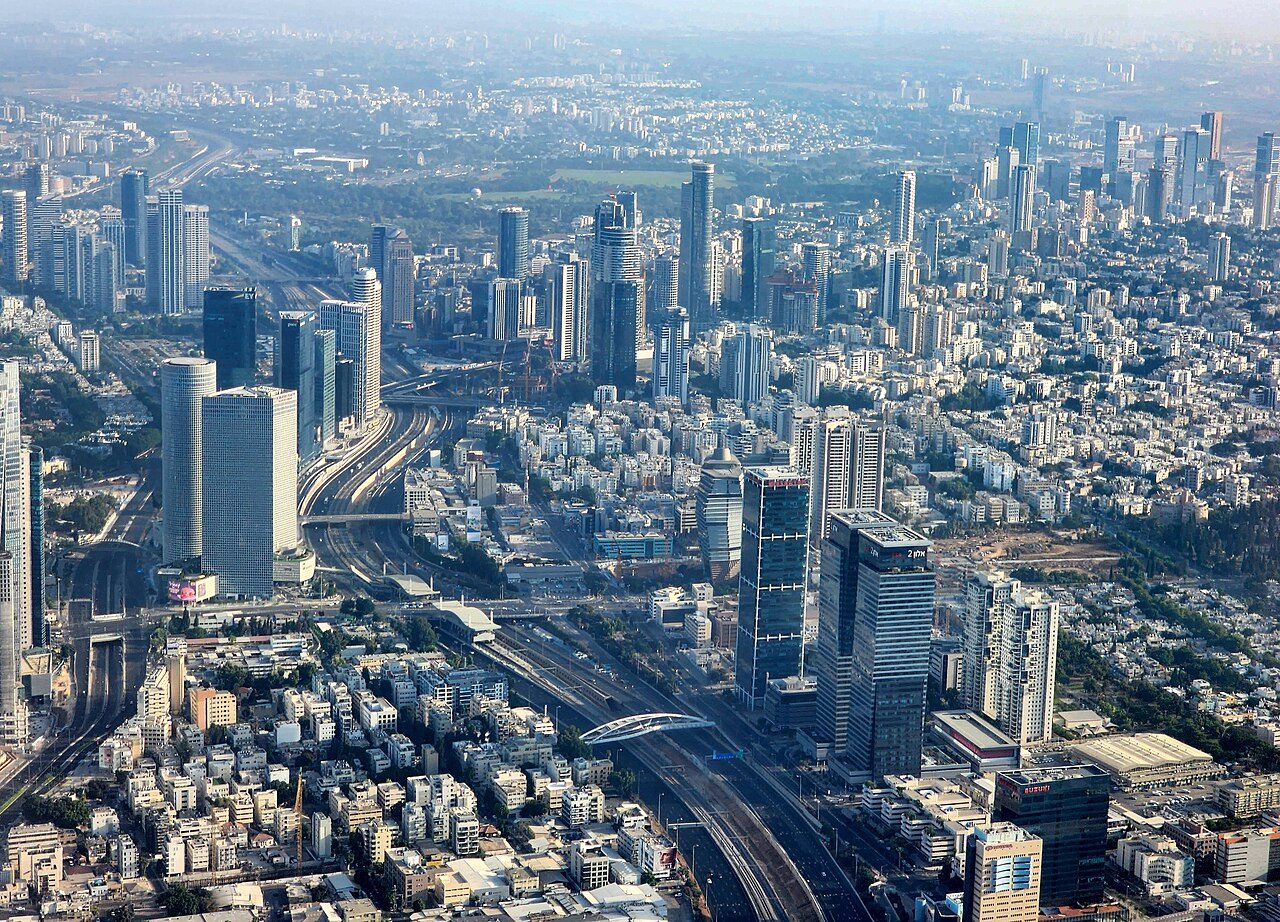
A practical rundown of how to move through Tel Aviv, when to go, and how to avoid the Shabbat and cost traps that catch first time visitors.
Who is going to Tel Aviv?
Going soon? Add your dates. Anyone who posts overlapping dates later sees you, and you hear about it.
Looking for a travel buddy? Ask travelers a question What should tourists avoid? Post what went wrong on your trip See who is going
Questions from the RuinMyTrip team. Answer one and start the Tel Aviv conversation:
- One thing you wish you had known before going to Tel Aviv?
- What is overrated in Tel Aviv, and what is worth it instead?
- What went wrong on your Tel Aviv trip?
Nobody sees your dates until you post them, and nobody can message you until you say yes.
Getting around Tel Aviv is straightforward on weekdays. The Red Line light rail, which opened August 18, 2023 after years of delay, runs 24 kilometers across 34 stations between Bat Yam and Petah Tikva and carries about 100,000 passengers a day, with a Purple Line and a Green Line both under construction for later in the decade. Buses run on the Dan network and require a Rav-Kav smart card since cash stopped being accepted in January 2019. Taxis are easy to find, typically 20 to 30 shekels for a downtown trip and 50 to 60 shekels out to the suburbs, and parking runs about 25 to 30 shekels an hour during the day if you rent a car, which most visitors do not need inside the city.
The weekly rhythm to plan around is Shabbat, which runs from Friday afternoon into Saturday evening. Trains generally stop around midday Friday and resume after dark Saturday, most local buses pause in the mid to late Friday afternoon and restart Saturday evening, and pharmacies and supermarkets typically close Friday afternoon until Sunday morning. There is no train or bus to or from Ben Gurion Airport during this window, so time any Friday evening or Saturday flight around taxi availability and expect to pay more for it. Restaurants and beach clubs are more likely to stay open through Shabbat than in more religious cities, since Tel Aviv is Israel's most secular major city, but individual venues still vary, so check ahead.
Neighborhoods worth knowing include Neve Tzedek, Florentin, Jaffa, and Sarona, spread across a city with more than 50 distinct districts, so pick a base near the beach or near the Red Line rather than trying to cover everything on foot. The coastal promenade links named beaches including Gordon Beach and Hilton Beach, the latter known locally as the city's unofficial gay beach, and swimmers should watch for jellyfish blooms in early summer. Given prices that a 2026 breakdown puts at roughly 34 percent above the US average overall, and dining specifically 47 percent above, cook or eat market food where possible and treat sit down restaurant meals as an occasional splurge rather than a daily habit.
Been there? Correct us.
Prices move, routes close, places go downhill. A first-hand review is worth more than this guide and will be shown alongside it.
Share your experienceComments
Start the conversation.