Siem Reap and Angkor Travel Guide: Tickets, Border and Heat in 2026
by RuinMyTrip Editorial · Aug 2, 2026
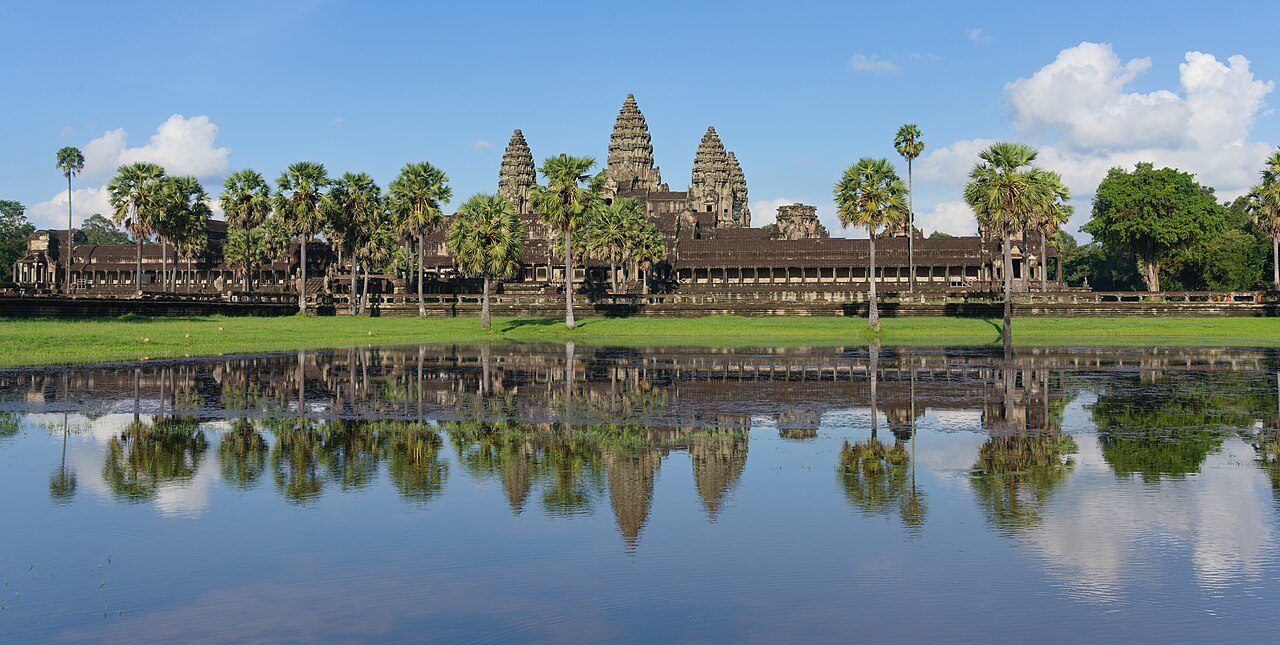
Current Angkor ticket prices and where to legitimately buy them, why the Thai land border route is closed and what that means for visas, how to get in from an airport 50km out, and when the temples are actually bearable.
Who is going to Siem Reap?
Going soon? Add your dates. Anyone who posts overlapping dates later sees you, and you hear about it.
Looking for a travel buddy? Ask travelers a question What should tourists avoid? Post what went wrong on your trip See who is going
Questions from the RuinMyTrip team. Answer one and start the Siem Reap conversation:
- What went wrong on your Siem Reap trip?
- What should tourists avoid in Siem Reap?
- Which neighborhood would you stay in on a first visit to Siem Reap?
Nobody sees your dates until you post them, and nobody can message you until you say yes.
Start with the regional situation, because it determines how you get in. Fighting between Cambodia and Thailand escalated from early December 2025, involving heavy weapons and airstrikes and causing civilian deaths and large-scale evacuations in border provinces. Land crossings between the two countries remain closed. The old backpacker default, an overland run from Bangkok to Siem Reap, is not currently available, and temporary restrictions have applied to e-visa holders attempting to enter Cambodia from Thailand. E-visas are accepted at Phnom Penh's Techo International Airport, Siem Reap Angkor International Airport, Sihanoukville International Airport, Bavet on the Vietnam border and Tropaeng Kreal on the Laos border. Confirm current status in the week you travel rather than relying on any guide, including this one.
The effect on Angkor has been severe and it is measurable. In 2025 the park sold 955,131 international tickets for 44.71 million dollars, down 6.7 per cent in buyers and 6.51 per cent in revenue on 2024. In the first half of 2026, 387,772 foreign visitors bought tickets, down 31.69 per cent, generating 18.47 million dollars, down 29.81 per cent, and the January to July figure was 28.6 million dollars. Tourism operators attribute the slowdown largely to the border tensions denting confidence in Siem Reap as the gateway. For a visitor, that means the temples are quieter than they have been in years.
Tickets are simple. One day costs 37 dollars, three days 62 dollars, a week 72 dollars, as of 2026. Buy from an official Angkor Enterprise counter or the verified official online platform and nowhere else. A three-day pass is the right choice for most people: Angkor Wat, Angkor Thom and the Bayon, and Ta Prohm are a full day on their own, and the outlying temples reward a second and third.
Getting into town needs planning now. Siem Reap Angkor International Airport opened on 16 October 2023, replacing the old capacity-constrained airport, and it sits about 50 kilometres east of the city - allow 45 minutes to an hour. Airport arrivals are the main scam zone: drivers claiming meters are broken and demanding flat rates that can exceed three times the legal fare, and unofficial transport helpers who target obviously jet-lagged arrivals. Arrange a hotel transfer before you fly, or use Grab or PassApp, and skip unbranded airport vehicles entirely. Within town, tuk-tuks are the normal way to move and the temples are typically done with a driver hired for the day; agree the route and price up front.
Timing is not a preference here, it is the difference between a good day and a miserable one. March and April are the hottest months, regularly hitting 38 degrees, and bare sandstone at midday makes afternoon temple visits genuinely unpleasant. November through February is the season: 22 to 32 degrees, monthly rainfall under 25 millimetres, clear skies, manageable humidity and the crisp dry-season light the temples photograph best in. Even in the good months, start at sunrise and be done with the exposed sites by late morning.
Cambodia is inexpensive once you are there, which is why the value rating on this page is high despite the ticket price. Food, accommodation and transport in Siem Reap are cheap by Southeast Asian standards, and the 37-dollar single-day ticket is the one large fixed cost. The current downturn also means real availability and softer rates across the town's hotel stock.
One note on perspective. A 30 per cent collapse in Angkor revenue is a serious problem for the thousands of people in Siem Reap whose living depends on it. Visiting is one of the few directly useful things a traveller can do about that, and the site itself is safe, open and operating normally.
Been there? Correct us.
Prices move, routes close, places go downhill. A first-hand review is worth more than this guide and will be shown alongside it.
Share your experienceComments
Start the conversation.