Seoul Practical Guide: Transit, Timing, and Where to Base Yourself
by RuinMyTrip Editorial · Aug 1, 2026
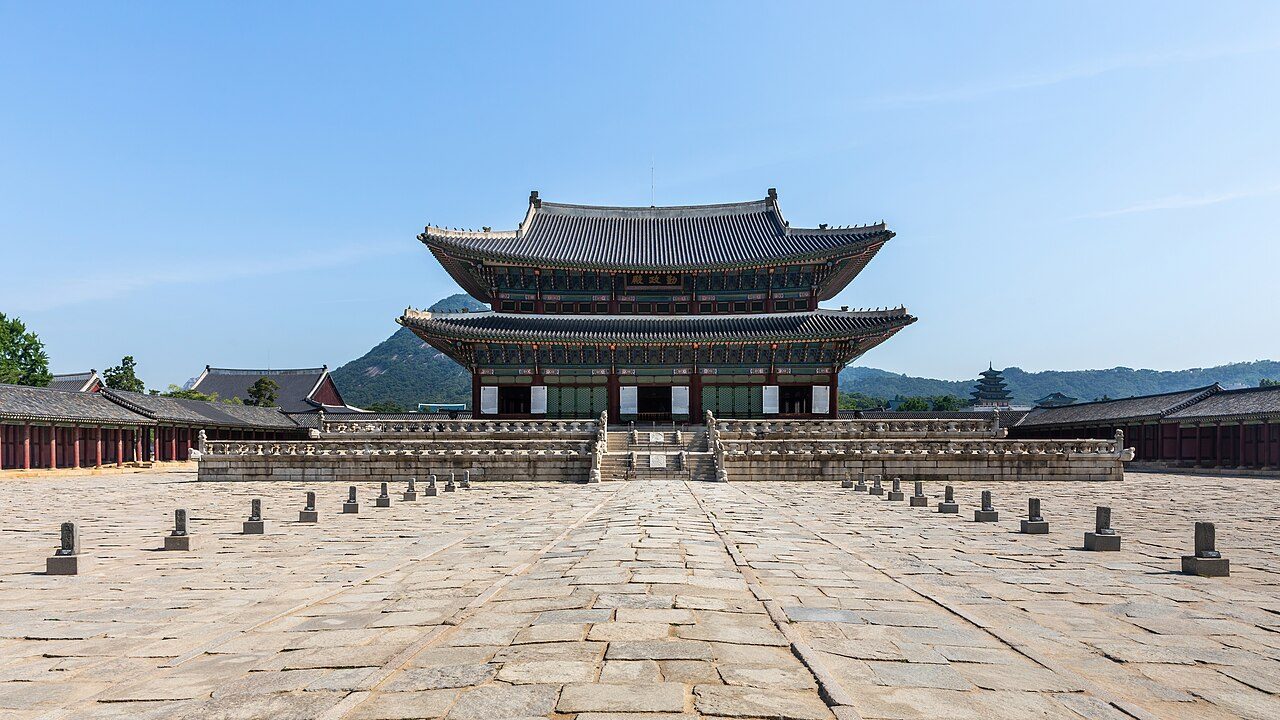
How to move around Seoul cheaply, when to visit around seasonal weather and construction, and which neighborhoods actually fit different trip styles.
Who is going to Seoul?
Going soon? Add your dates. Anyone who posts overlapping dates later sees you, and you hear about it.
Looking for a travel buddy? Ask travelers a question What should tourists avoid? Post what went wrong on your trip See who is going
Questions from the RuinMyTrip team. Answer one and start the Seoul conversation:
- One thing you wish you had known before going to Seoul?
- What is overrated in Seoul, and what is worth it instead?
- What went wrong on your Seoul trip?
Nobody sees your dates until you post them, and nobody can message you until you say yes.
Get a T-money card the moment you land, ideally at Incheon Airport where they are sold alongside SIM cards and other arrival essentials. The 2,500 won deposit is refundable later at any convenience store for a 500 won fee, and the card works across nearly the entire public transit network, subway, city buses, and most taxis, with a base fare of 1,550 won that beats paying cash every time. Seoul's subway map looks intimidating but is fully bilingual with English signage and announcements, and free transfers within 30 minutes make it cheap to chain several stops together rather than paying per ride.
On timing, spring and fall are the weather sweet spots, avoiding the yellow dust air pollution that spikes in early spring and the monsoon humidity that settles in through summer. Typhoon season runs roughly August through October and can disrupt outdoor plans with little warning. If a specific neighborhood matters to your trip, plan around known disruptions: Hongdae's busking corridor is currently affected by above-ground construction tied to an underground railway project, so it is not the reliable street-performance scene it used to be, at least for now.
For neighborhoods, Myeongdong and Hongdae lean into K-pop merchandise shopping and nightlife and are correspondingly crowded, while Seongsu-dong and Itaewon have become the harder-to-get-into dining destinations, both requiring reservations well ahead for anywhere with a reputation. Gyeongbokgung and the surrounding hanok village area reward an early arrival, before 9 a.m. opening if possible, both to beat tour groups and to get better hanbok photos before the midday crowds. Money-wise, the biggest saves are the T-money transit discount, hanbok-based free palace entry, and sticking to the abundant cheap eats, like barbecue lunches around 12,000 won, rather than the reservation-only destination restaurants that now anchor a lot of Seoul's food media coverage.
Been there? Correct us.
Prices move, routes close, places go downhill. A first-hand review is worth more than this guide and will be shown alongside it.
Share your experienceComments
Start the conversation.