Home / Guides / Reykjavik on a Real Budget: Airport Costs, Pool Rules, F-Road Timing and Wind Damage
Reykjavik on a Real Budget: Airport Costs, Pool Rules, F-Road Timing and Wind Damage
by RuinMyTrip Editorial · Jul 25, 2026
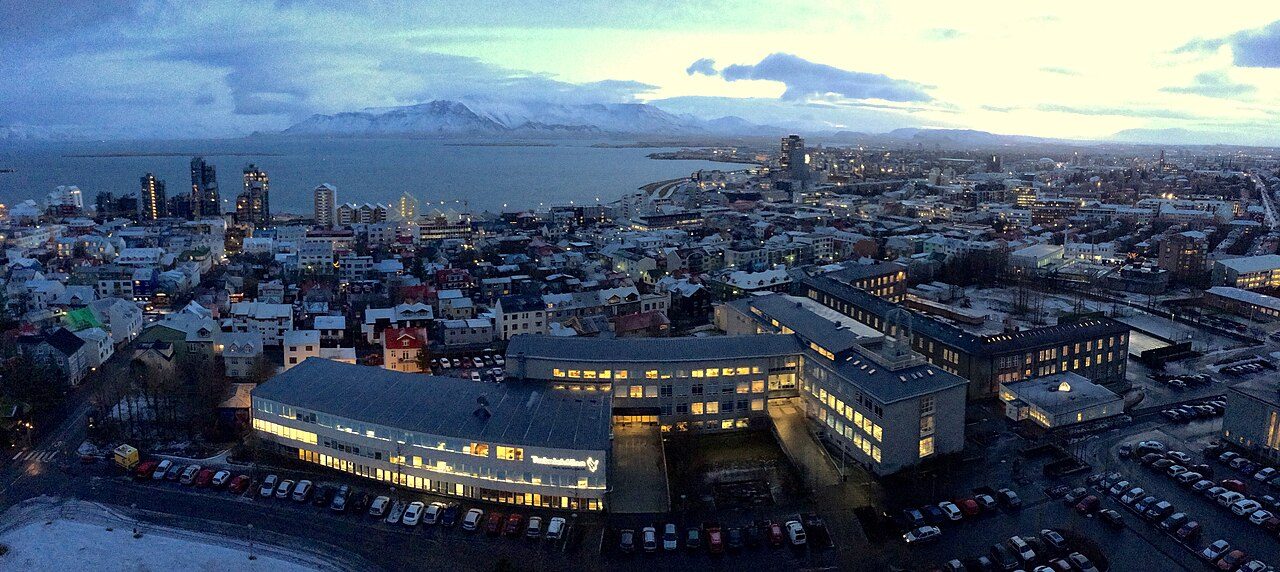
What Reykjavik actually costs month by month, how to get in from Keflavik, which day trips are free versus charged, and the weather and geothermal hazards that matter.
Choose your month deliberately, because Reykjavik in July and Reykjavik in December are barely the same destination. June through August brings the midnight sun, with roughly 19 to 20 hours of daylight around the summer solstice and average highs near 14 degrees Celsius with overnight lows around 9. It rarely gets truly warm; the city seldom exceeds 15 degrees even at peak. Rain is frequent rather than heavy, falling on a large share of July days. September through November is northern lights season returning, with daylight falling from roughly 15 hours to 5 and temperatures cooling to between 2 and 12 degrees. December is the darkest month at roughly four and a half hours of daylight, with highs around 1 degree and lows near minus 2, and it is also the wettest stretch of the year. March through May brings daylight back quickly, puffins return in April, and the weather remains genuinely unpredictable. The one constant is wind, which is why every source that matters tells you to bring a windproof and waterproof outer shell in every season.
From Keflavik, the Flybus is the default. An adult one-way to the BSI terminal is 3,999 ISK, youth aged 6 to 15 pay 2,000 ISK and children 1 to 5 travel free, with the journey taking about 45 minutes. Flybus+ delivers you to your accommodation for 5,299 ISK adult and 2,650 ISK youth. Oversized luggage adds 1,500 ISK and a bicycle 3,800 ISK. A taxi is dramatically more expensive and rarely justified. Renting a car makes sense only if you plan to leave the capital area, because central Reykjavik parking is metered and the city is small enough to cross on foot.
Within the city, Straeto buses charge 690 ISK for a single adult ticket good for 75 minutes including transfers, 345 ISK for youth aged 12 to 17 and seniors 67 and over, and nothing for children 11 and under. A reusable Klapp card is 1,000 ISK empty, a 30-day adult pass 12,000 ISK, and fare capping ensures no adult pays for more than three rides in a day or nine in a week using the same card.
Five places are worth planning around. Hallgrimskirkja is free to enter and the tower costs 1,500 ISK adult, 1,000 ISK for students and over-67s, and 200 ISK for ages 7 to 16, open 9 a.m. to 8 p.m. in June to August and 10 a.m. to 5 p.m. in winter, with services occasionally closing it. A municipal swimming pool such as Laugardalslaug is the single best-value thing in Iceland at 1,500 ISK for adults, free for under-10s with a guardian and 400 ISK for ages 10 to 17, with a ten-visit adult card at 7,000 ISK. Thingvellir National Park on the Golden Circle charges no admission but does charge parking: 1,000 ISK for a car with five or fewer seats, 1,200 ISK for six to nine seats and 400 ISK for a motorcycle, one payment covering the P1, P2 and P5 lots for the day, payable at machines or online at checkit.is. Gullfoss waterfall is free to visit and free to park, and is the strongest argument that the best of the Golden Circle costs nothing. Kerid crater charges a 700 ISK service fee with free parking, which is fair for a short, easy stop but is the one Golden Circle site most reasonably skipped if you are short on time.
On budget, a realistic mid-range day runs about USD 200 to USD 320 per person. Mid-range central hotel rooms commonly land between USD 180 and USD 280 in high season, roughly USD 90 to USD 140 per person sharing, plus the mandatory 800 ISK per night lodging tax per room. Food is the second big line, roughly USD 60 to USD 100 a day if you take a bakery breakfast, a soup or hot dog lunch and one restaurant dinner; alcohol is sold only in licensed bars and state Vinbudin shops and is expensive enough to reshape an evening's plans. Local transport is cheap at around USD 5 to USD 15 a day thanks to fare capping. Activities vary wildly, from USD 12 for a pool to well over USD 100 for a lagoon with transfers. Self-catering from a Bonus or Kronan supermarket is the single most effective way to cut the total.
Iceland has one of the lowest crime rates anywhere; the weather and the terrain are what actually put visitors in danger. Weather changes fast and wind is the underrated danger: gusts routinely tear open car doors and wreck the hinges, and this specific damage is not covered by most standard rental policies, which is why gravel protection, sand and ash protection and door protection are offered as extras. Highland F-roads are closed until Vegagerdin inspects and opens them, generally in stages from late May to mid-July depending on snowmelt and river levels, they are illegal to drive while closed, and they require a genuine four-wheel-drive vehicle. Check umferdin.is and safetravel.is the morning of any highland or long-distance drive. Around geothermal areas, stay on marked paths, because surface crusts near hot springs can conceal water hot enough to cause severe burns, and children should be held close. On the coast, sneaker waves at black-sand beaches south of the capital have killed visitors, so never turn your back on the sea. Finally, Reykjanes remains volcanically active with magma accumulating beneath Svartsengi, so keep any Blue Lagoon or Grindavik plan flexible.
Been there? Correct us.
Prices move, routes close, places go downhill. A first-hand review is worth more than this guide and will be shown alongside it.
Share your experienceComments
No comments yet.