Queenstown Guide: Entry Levies, Airport Bus Fares, Real Activity Prices And Budgets
by RuinMyTrip Editorial · Jul 25, 2026
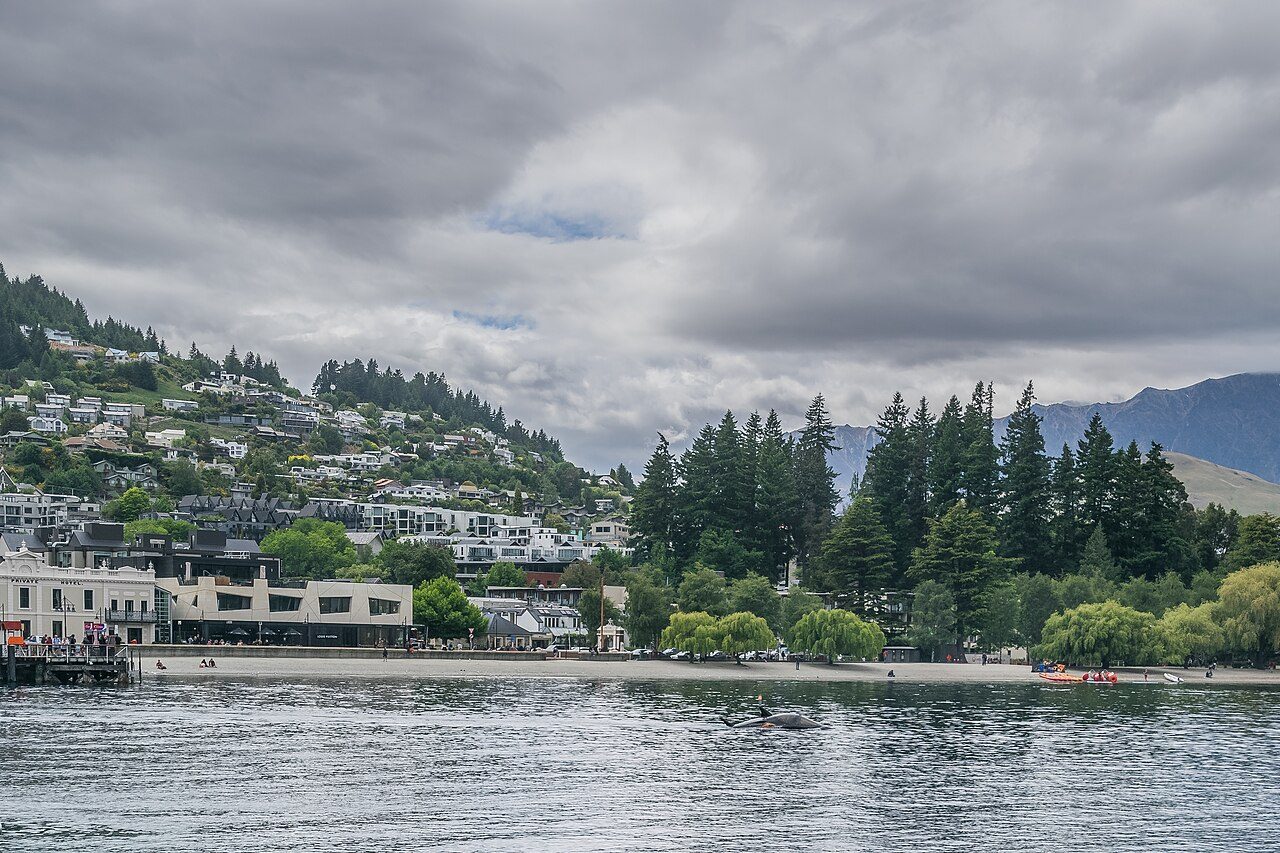
Month-by-month timing, the NZ$100 levy and NZeTA, cheap Orbus transfers from the airport, verified activity prices, a realistic daily budget in US dollars, and safety realities.
Start with the paperwork, because New Zealand now charges for it. Most international visitors must pay the International Visitor Conservation and Tourism Levy of NZ$100, collected at the same moment you request an NZeTA or apply for a visa. The NZeTA starts at NZ$17 through the official Immigration New Zealand mobile app, costs more if requested through the website, and is valid for two years for travellers. Australian and New Zealand passport holders, several Pacific nationalities, transit passengers at Auckland and holders of certain resident and business visitor visas are exempt from the levy. Both charges are non-refundable, and neither guarantees admission at the border. There is no separate Queenstown bed tax despite a 2019 non-binding referendum in which more than 80 percent of Queenstown Lakes voters supported a five percent accommodation levy; the local bill stalled and the proposal has not been enacted.
On timing, Queenstown has two peaks and two good shoulders. Mid-June to early October is ski season, with Coronet Peak and The Remarkables driving demand and pushing accommodation to its annual highs. December through February brings long, warm days, the Ben Lomond and Queenstown Hill tracks in full use and the largest overall visitor volume. April and May, and again October and November, are the shoulders, when the weather is variable but crowds thin and prices soften. Autumn colour through Arrowtown in April is genuinely worth planning around. Whatever the month, alpine weather changes fast and the Milford Road can close, so build slack into any fixed schedule.
Getting in from Queenstown Airport is the easiest and cheapest part of the trip. The airport sits at Frankton, roughly eight kilometres from the town centre, and the Otago Regional Council's Orbus network serves it directly with onward connections through the Frankton Bus Interchange. An adult airport fare is NZ$2.50 with a Bee Card or NZ$10 in cash, and child and youth fares are NZ$1.50 with a Bee Card or NZ$8 cash. Off the airport route, standard adult fares are NZ$2.50 with a Bee Card and NZ$4 cash, with child and youth at NZ$1.50 by card. The Bee Card itself costs NZ$5 and requires a NZ$5 minimum top-up, which exactly breaks even against the NZ$10 cash airport fare on the first ride and saves from the second onward. Taxis, rideshare and private shuttles all operate from the terminal at conventional resort-town prices. A rental car is only worth it if you intend to drive to Glenorchy, Arrowtown, Wanaka or the Milford Road, because parking in the town centre is limited and expensive.
On what to do, the Skyline Gondola to Bob's Peak is the signature and costs NZ$69 for an adult and NZ$48 for a child, with adults counted from 15 and children from 6 to 14. A gondola plus three luge rides is NZ$99 adult and NZ$68 child, and gondola with unlimited luge is NZ$140 adult. A three-day unlimited gondola upgrade is NZ$34.50 adult, which is good value for anyone staying a while. Shotover Jet runs the canyon jet boat trips at NZ$199 adult, NZ$109 for children aged 5 to 15 and NZ$507 for a family pass covering two adults and two children. AJ Hackett's Kawarau Bridge Bungy, the world's first commercial bungy site, starts at NZ$320 adult and NZ$280 child, including photos, video and a T-shirt when booked direct, and combos run to NZ$460 for bungy and swing, NZ$495 with the zipline added and NZ$615 for a Kawarau plus Nevis day. The RealNZ Milford Sound day trip from Queenstown starts at NZ$292, with coach travel of five hours each way and a cruise of up to two hours, departing at 6.45am, 6.55am or 7.35am. If the budget is tight, skip the paid attractions entirely: the Queenstown Gardens loop, the Frankton Track, Queenstown Hill and the drive to Glenorchy are free and arguably deliver more scenery per hour than anything ticketed.
On budget, a genuinely lean trip staying in hostels, self-catering and doing free walks runs roughly 90 to 130 US dollars per person per day. A mid-range trip with a modest hotel or motel room, restaurant dinners, bus fares and one paid activity every second day runs roughly 220 to 340 dollars per person per day. Add a single flagship activity and the day jumps: the jet boat alone is about 120 US dollars and the Kawarau bungy about 190. A family of four doing gondola, luge and a jet boat in one day will clear 700 US dollars before food. Accommodation is the least predictable line, spiking hardest through ski season and the Christmas to February window, and the district's chronic housing shortage keeps rates elevated even in the shoulders.
Queenstown has little violent crime; what actually hurts visitors here is the terrain and the roads, not other people. Commercial adventure operators work under New Zealand's adventure activity regulations with audited safety systems, which is why the bungy and jet boat operations have the records they do, so choose licensed operators and follow briefings rather than improvising. Alpine weather turns quickly on the Ben Lomond track and around the ski fields, so carry layers and check forecasts. Driving is the bigger hazard: the roads to Glenorchy, Milford and over the Crown Range are narrow, winding and often icy in winter, and visitors unfamiliar with driving on the left are overrepresented in crashes. Allow far more time than mapping apps suggest, particularly around Frankton, where the road exceeded ten million vehicle trips in 2025 and a NZ$250 million rebuild of the SH6 and SH6A intersection has been under construction since April 2024. Petty theft from parked cars at trailheads does happen, so leave nothing visible.
Been there? Correct us.
Prices move, routes close, places go downhill. A first-hand review is worth more than this guide and will be shown alongside it.
Share your experienceComments
No comments yet.