Osaka Travel Guide: Taxes, Transit and Timing in 2026
by RuinMyTrip Editorial · Aug 2, 2026
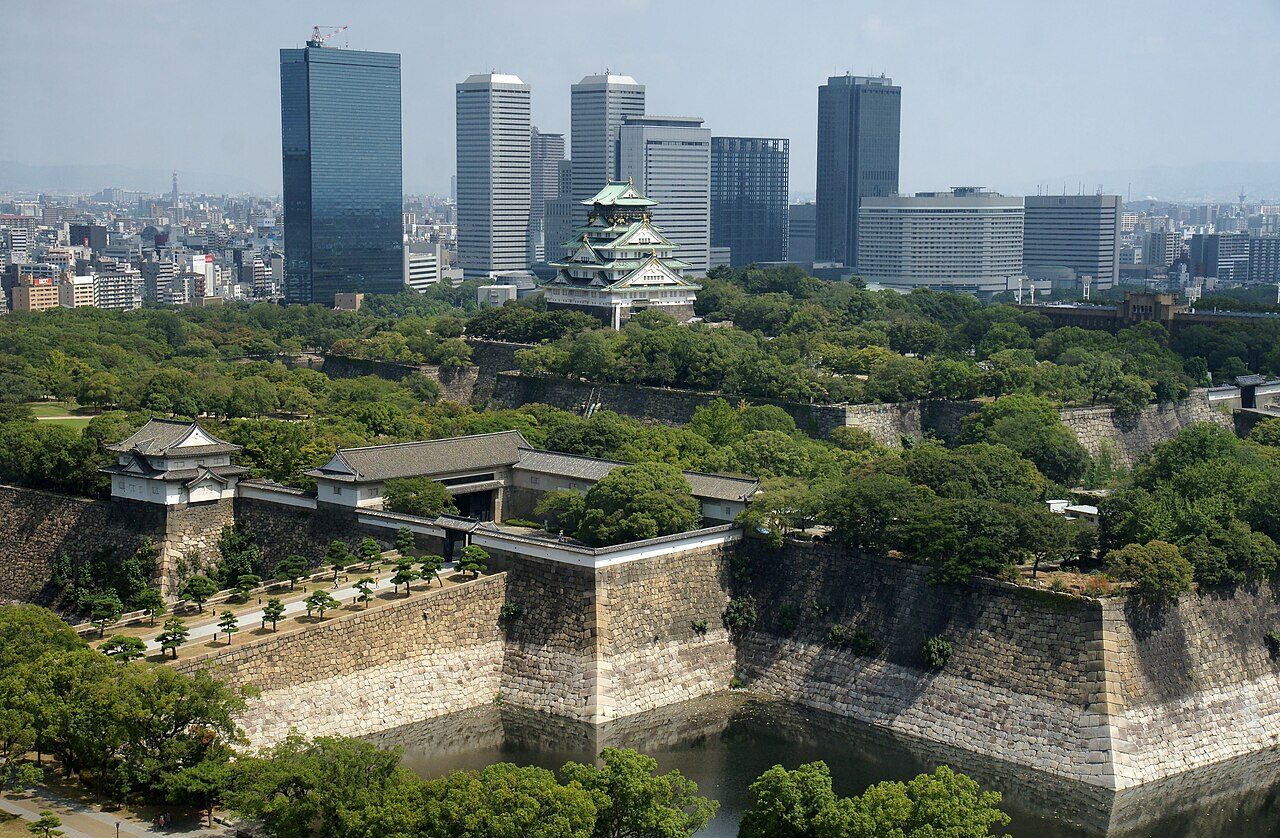
What Osaka actually costs a foreign visitor in 2026 once the new departure and accommodation taxes are counted, plus how to get around and when to go.
Who is going to Osaka?
Going soon? Add your dates. Anyone who posts overlapping dates later sees you, and you hear about it.
Looking for a travel buddy? Ask travelers a question What should tourists avoid? Post what went wrong on your trip See who is going Travel buddies in Japan
Questions from the RuinMyTrip team. Answer one and start the Osaka conversation:
- What went wrong on your Osaka trip?
- What should tourists avoid in Osaka?
- Which neighborhood would you stay in on a first visit to Osaka?
Nobody sees your dates until you post them, and nobody can message you until you say yes.
Most visitors arrive through Kansai International, and the first thing worth understanding is the tax layer that was added over the past year. Japan tripled its departure tax from 1,000 to 3,000 yen effective July 1, 2026, citing congestion and nuisance behavior at tourist destinations; it is included in the price of airline and cruise tickets booked on or after that date, while earlier bookings are exempt from the increase. Separately, Osaka Prefecture's accommodation tax has been 200 yen per person per night for rooms priced 5,000 to under 15,000 yen, 400 yen for 15,000 to under 20,000, and 500 yen at 20,000 and up since September 1, 2025, with rooms under 5,000 yen exempt. From March 1, 2026, that tax is charged separately from the room rate and paid on-site even for prepaid reservations, and licensed minpaku private lodgings in Osaka now collect it as well. None of these are large sums individually, but they are the ones travelers get surprised by at check-in.
Getting around is easy and cheap. Osaka Metro fares start at 190 yen for journeys under 3 km, and a day card runs 820 yen, so anything past four rides in a day pays for the pass. The city is compact enough that Dotonbori, Shinsekai and Osaka Castle are all short hops apart, and Kyoto and Nara are both comfortable day trips, which is the main argument for basing yourself here rather than in more expensive Kyoto. Numbeo puts a single person's monthly cost of living in Osaka excluding rent at about 119,506 yen, which is the underlying reason day-to-day spending here feels light to visitors.
On timing, the currency is the story. The yen entered 2026 in the mid-150s per dollar and broke above 163 on July 21, 2026, near its weakest in nearly four decades, against roughly 110 in 2019. That discount drove a record 42.7 million international visitors to Japan in 2025 and record spending of 9.5 trillion yen, and 2026 is projected at about 41.4 million, a roughly 2.8 percent dip and the first annual decline in years. Practically, that means the Golden Route is still busy at peak but slightly less brutal than 2025, and reporting suggests Dotonbori's Chinese tour-group density in particular has thinned. Expo 2025 ran at Yumeshima from April to October 2025 with a projected 28 million visitors and left roughly 37 billion yen in surplus to city and prefectural governments, but it is over, so plan around normal seasonality: avoid Golden Week and the peak autumn foliage weeks, and budget around typhoon risk in late summer.
Been there? Correct us.
Prices move, routes close, places go downhill. A first-hand review is worth more than this guide and will be shown alongside it.
Share your experienceComments
Start the conversation.