Naples Travel Guide: Pompeii Tickets, Theft Risk and Costs in 2026
by RuinMyTrip Editorial · Aug 3, 2026
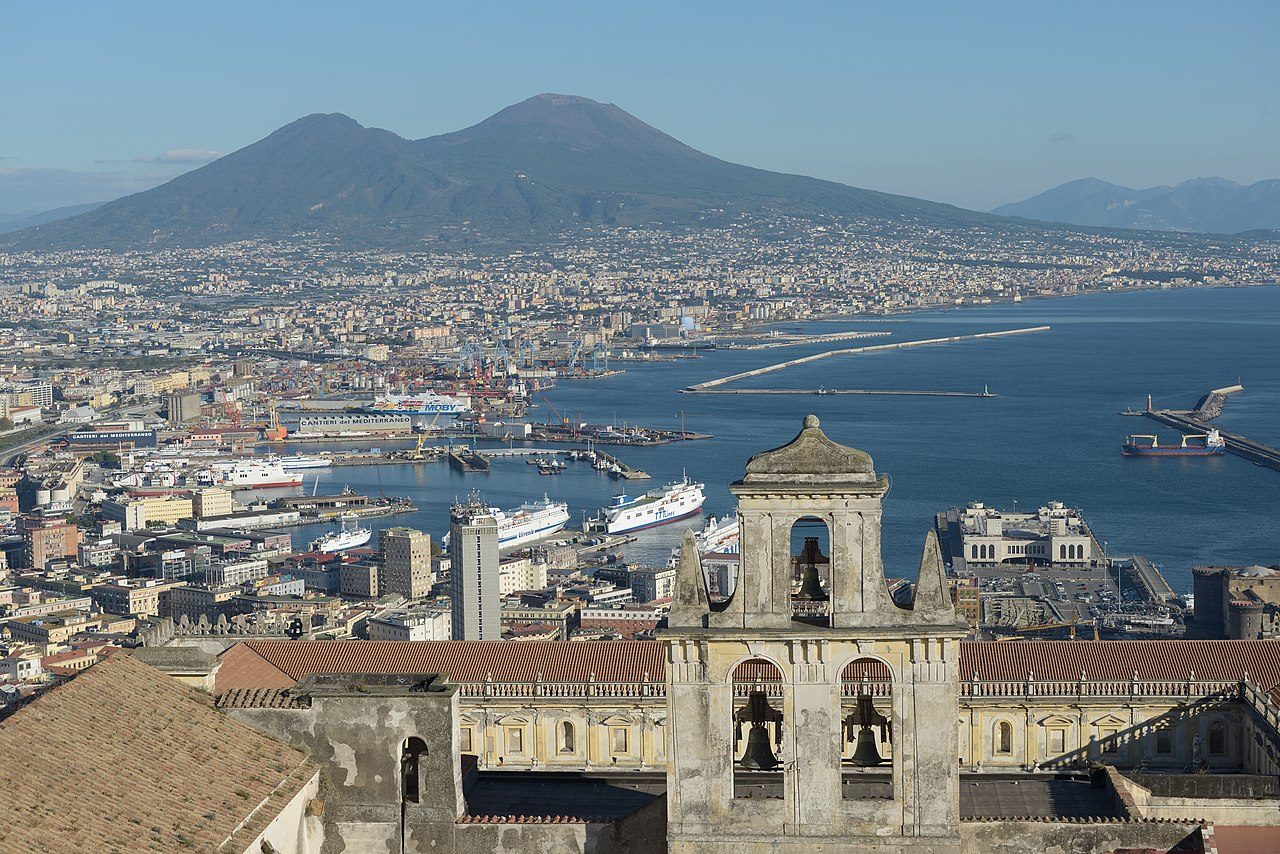
How to book a capped Pompeii, how to not lose your phone in the centro storico, and why Naples is still the best-value big city in Italy.
Who is going to Naples?
Going soon? Add your dates. Anyone who posts overlapping dates later sees you, and you hear about it.
Looking for a travel buddy? Ask travelers a question What should tourists avoid? Post what went wrong on your trip See who is going Travel buddies in Italy
Questions from the RuinMyTrip team. Answer one and start the Naples conversation:
- What should tourists avoid in Naples?
- Which neighborhood would you stay in on a first visit to Naples?
- One thing you wish you had known before going to Naples?
Nobody sees your dates until you post them, and nobody can message you until you say yes.
Start with Pompeii, because it is the only part of a Naples trip that can be sold out before you arrive. Since November 2024 the Parco Archeologico issues named, personal tickets and caps admissions at 20,000 per day. From 16 March to 14 October the day splits into two bands: up to 15,000 admissions from 09:00 to 13:00, and up to 5,000 from 13:00 to 17:30. Winter hours run 09:00 to 17:00 with last entry at 15:30; summer hours run 09:00 to 19:00 with last entry at 17:30. Prices are 20 euros for the ancient city only, 25 euros for the full ticket including the Villa of the Mysteries, the Villa of Diomedes and Villa Regina in Boscoreale, 30 euros for a three-day pass adding Oplontis, Villa Arianna and Villa San Marco, and 45 euros for an annual pass. Reduced entry for EU citizens aged 18 to 25 is 2 euros. Book the morning band the moment you have dates, because in June, July and August it goes days in advance.
Go to the Museo Archeologico Nazionale first. The excavations were stripped of their moveable contents long ago, and the mosaics, frescoes, bronzes and household objects are all in that museum. Doing the museum on day one and the site on day two is the difference between walking through roofless rooms and reading a city.
Getting to Pompeii means the Circumvesuviana from Napoli Porta Nolana or Garibaldi, and the Circumvesuviana is the single most reported theft environment on the trip. It is crowded, it is slow, and bag snatching on it is a recurring pattern. Carry a bag you can hold in front of you, put nothing in an outer pocket, and do not stand in a doorway with a phone out. The same rule applies at Napoli Centrale, on the metro and on buses: pickpockets in Naples work in teams, one creating the contact or the distraction and another taking the bag. On the street, the specific Naples variant is a scooter coming past the kerb and taking a phone or a shoulder bag out of a hand. None of this is violent and almost all of it is avoidable by not advertising the phone.
On cost, Naples is the reason to come. It is the cheapest of Italy's major cities for food, drink and accommodation, and the difference is not marginal. A pizza in a working pizzeria costs a fraction of a tourist-tier plate in Venice or Florence, and the gap between the visitor rate and the resident rate here is a few euros rather than a multiple. The exceptions are the obvious ones: the souvenir corridor around Via San Gregorio Armeno, the streets immediately behind the port, and anything with a photograph of the food on the menu.
Understand what you are walking into on crowds. Naples crossed 20 million visitors in 2025, its first time, up from roughly 13 million in 2023, and the city is targeting 24 million in 2026. The centro storico now carries more than 10,000 short-term rental listings, more than Venice, after a 553 per cent rise in listings between 2015 and 2019 concentrated in the poorest quarters. Rents are up around 40 per cent, 46 per cent of residents describe overtourism as a problem and 58 per cent want short-term rentals regulated harder. The practical consequence for a visitor is that the central spine is busy all day in high season and the residential texture that makes Naples worth visiting is thickest a few streets off it. Sleeping in Vomero, Chiaia or Sanita rather than directly on the tourist spine costs less, is quieter, and puts you among people who live there.
On timing, shoulder season is a real saving here as it is everywhere in Italy: April to May and September to October bring rates down sharply against June to August and make both the city and the archaeology tolerable in daylight. Vesuvius and Herculaneum are both easy half-days from the same train line, and Herculaneum in particular is smaller, better preserved and dramatically less crowded than Pompeii, which makes it the better choice if you only have one morning.
Been there? Correct us.
Prices move, routes close, places go downhill. A first-hand review is worth more than this guide and will be shown alongside it.
Share your experienceComments
Start the conversation.