Home / Guides / Marrakech Practical Guide: Real Entry Fees, Airport Transfers, Seasons And Scam Defence
Marrakech Practical Guide: Real Entry Fees, Airport Transfers, Seasons And Scam Defence
by RuinMyTrip Editorial · Jul 25, 2026
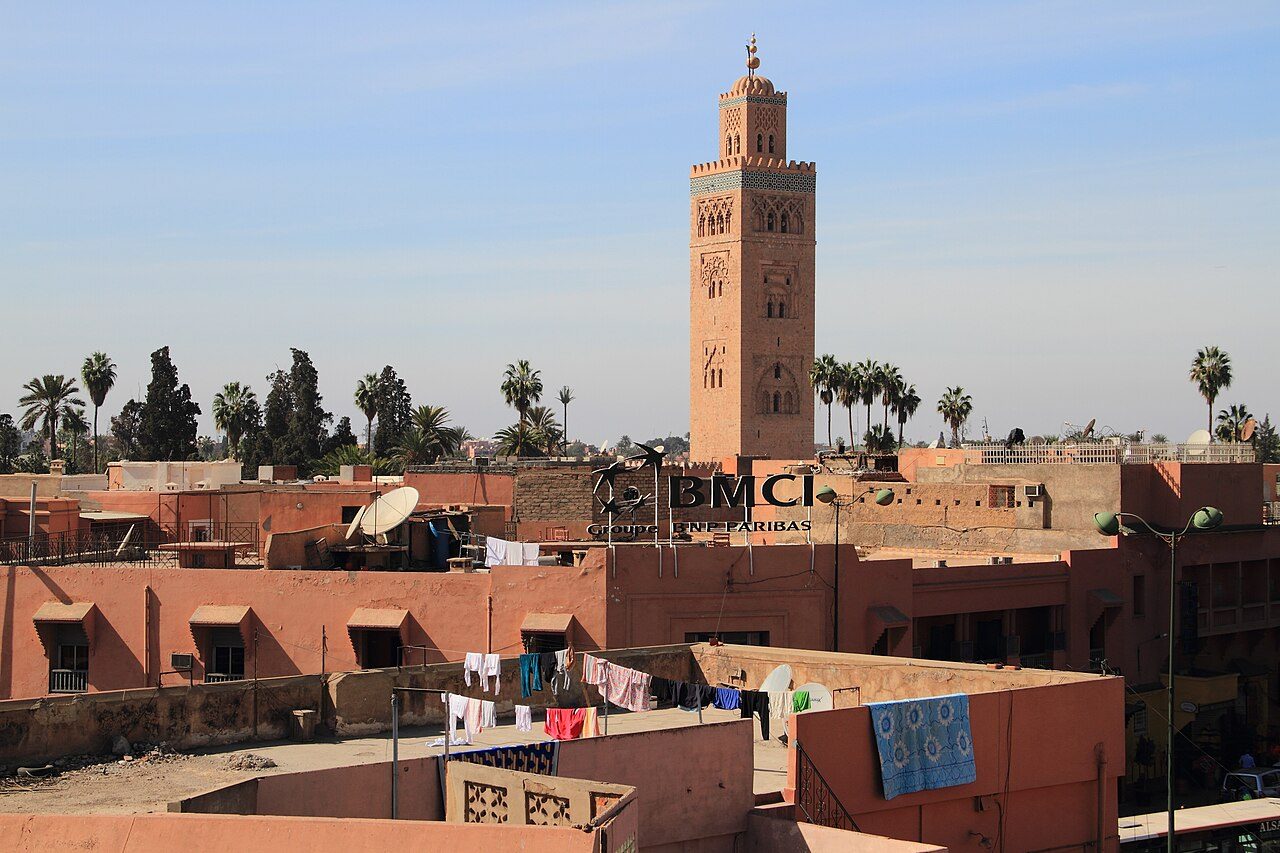
Month-by-month timing, Menara Airport transfers, medina navigation, verified monument fees, a realistic daily budget in US dollars, and a blunt section on the city's documented scams.
Timing is the single biggest decision. Marrakech averages highs of 37.7C in July and 37.4C in August, with lows still above 20C, and summers regularly push past 45C during heat events. January is the coolest month, averaging a high of 19.1C and a low of 5.9C, and riads without proper heating get genuinely cold at night. Rain is scarce, around 280mm a year, falling mostly February to April and again in November. The best windows are March and April, and late September to mid-November, when daytime highs sit in the mid twenties to low thirties. December to February works well for anyone who prefers cool weather and lower crowds, provided you pack layers for evenings. Ramadan shifts opening hours across the city, with Ben Youssef Madrasa closing at 4.30pm instead of 7pm, and many restaurants adjusting service.
Menara Airport is about six kilometres from the medina, which is a fifteen to twenty minute drive in normal traffic. The ALSA L19 shuttle bus runs from outside the terminal into the centre, stopping near Koutoubia for the walk to Jemaa el-Fna and continuing through Gueliz, with tickets bought from the driver in cash for a low flat fare. Petit taxis are the alternative and are the usual friction point: drivers at the airport habitually quote a flat rate rather than run the meter, and night rates are legitimately higher than day rates under the regional tariff system. Agree the number before the doors close, or walk to the road outside the terminal perimeter and flag a taxi that is already running its meter. Pre-booked riad transfers cost more than a taxi but remove the argument entirely, which is worth it on a late arrival with luggage.
Inside the walls, walking is the only real option, because the medina lanes are too narrow and too crowded for anything else. Distances are short, but navigation is the hard part, so download offline maps before arriving and accept that you will still get lost. Petit taxis connect the medina to Gueliz, the Menara Gardens and the Palmeraie quickly and cheaply when metered. Horse-drawn caleches operate from the square on fixed municipal routes and are a tourist ride rather than transport. The ONCF rail station in Gueliz links Marrakech to Casablanca and Rabat on the standard network, which is the practical way to add a second city.
On what to see, the Ministry of Culture sites are the backbone. Bahia Palace, an 8-hectare nineteenth-century complex of courtyards and painted ceilings, charges foreign adults 100 dirhams. El Badi Palace, the ruined Saadian showpiece, is the same 100 dirhams and rewards a slower visit for its scale and the storks nesting on the walls. The Saadian Tombs, the sixteenth-century necropolis rediscovered in 1917, also cost 100 dirhams and get very congested, so arrive at opening. Ben Youssef Madrasa charges foreign adults 50 dirhams and is arguably the best value single monument in the city. Le Jardin Secret costs 100 dirhams plus 40 dirhams for the tower and is a genuinely calm break in the middle of the souks. Jardin Majorelle is the city's most heavily booked attraction and sells tickets online only, so treat it as a fixed-time appointment rather than a walk-up. Koutoubia Mosque is closed to non-Muslims and should be treated as an exterior landmark, not a visit.
On budget, expect a lean independent trip to run roughly 55 to 85 US dollars per person per day, covering a simple riad room, street and cafe eating, local transport and one paid monument. A comfortable mid-range trip runs roughly 130 to 220 dollars per day, with a good riad, sit-down restaurant meals, two or three monuments and a taxi habit. Upper-end riads, private guides and day trips into the Atlas or the Agafay desert push past 350 dollars per day easily. Monuments themselves are a minor line item at 50 to 100 dirhams each. Accommodation and guided excursions are what move the total. Note that a per-person, per-night accommodation tax is added at checkout by most riads and hotels and is usually collected in cash, so keep dirhams aside for it.
On safety, Marrakech is not a violent-crime problem for visitors, it is a persistence problem. The faux guide pattern is the defining one: someone approaches near a medina gate, says the way ahead is closed or that they are heading the same direction, leads you somewhere, then demands payment. Decline firmly and keep walking. Henna applicators in and around Jemaa el-Fna will begin a design on an unsuspecting hand and then demand a large fee, and photo handlers with monkeys and snakes work the same way. Anything placed on you or started for you is a bill. Petit taxi meter refusal is the most common daily annoyance and the fix is simply to take a different taxi. The Brigade Touristique patrols the main square and tourist areas and takes harassment complaints seriously, so naming them usually ends a confrontation. Carry cash in small denominations, keep valuables out of open bags in crowded souk lanes, and be aware that some medina streets damaged in the 2023 earthquake remain closed or under scaffolding.
Been there? Correct us.
Prices move, routes close, places go downhill. A first-hand review is worth more than this guide and will be shown alongside it.
Share your experienceComments
No comments yet.