Maldives Travel Guide: Taxes, Transfers and Choosing Resort or Local Island in 2026
by RuinMyTrip Editorial · Aug 2, 2026
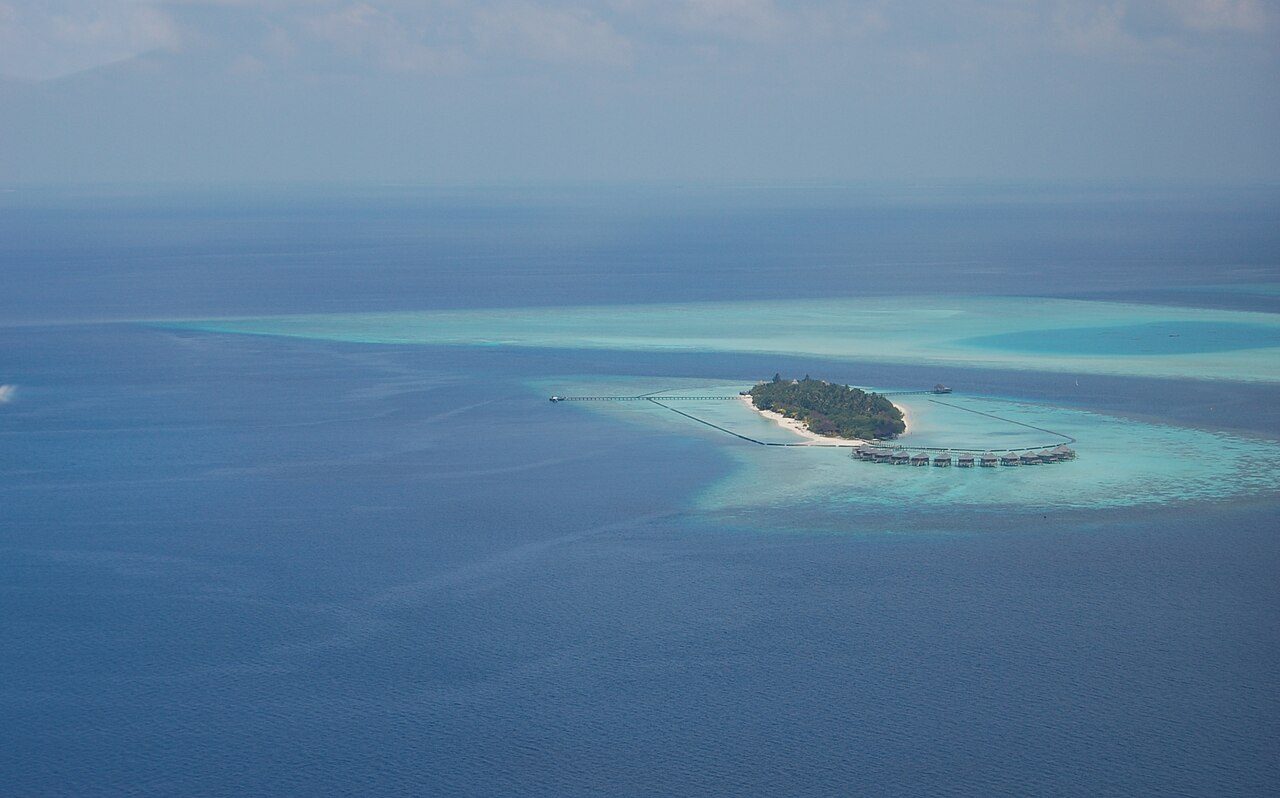
The real cost stack of a Maldives trip in 2026 after the green tax and departure fee increases, and how the resort and local-island models differ in practice.
Who is going to Maldives?
Going soon? Add your dates. Anyone who posts overlapping dates later sees you, and you hear about it.
Looking for a travel buddy? Ask travelers a question What should tourists avoid? Post what went wrong on your trip See who is going
Questions from the RuinMyTrip team. Answer one and start the Maldives conversation:
- One thing you wish you had known before going to Maldives?
- What is overrated in Maldives, and what is worth it instead?
- What went wrong on your Maldives trip?
Nobody sees your dates until you post them, and nobody can message you until you say yes.
The single most important decision in a Maldives trip is which of two very different products you are buying. Resorts occupy private islands under the one-island-one-resort model that began with Kurumba on October 3, 1972, and they can hold licences to serve alcohol. Inhabited local islands host guesthouses at a fraction of the price, but they are dry: alcohol is prohibited on beaches, streets and other public areas, guesthouses cannot serve it under any circumstances, and importing alcohol is illegal, with luggage screened on arrival and bottles confiscated. Both are legitimate ways to visit. Booking one while expecting the other is the most common way people ruin the trip before they land.
The cost stack has grown, and most of it is added after the headline room rate. The resort green tax doubled from $6 to $12 per person per night effective January 1, 2025, with smaller accommodation collecting $6, and it is explicitly earmarked for reef protection and coral bleaching response, generating more than USD 27.31 million in January and February 2026 alone, a 63.7 percent increase on the USD 16.68 million collected in the same months of 2025. Departure fees for foreign nationals also rose, from $30 to $50 in economy, $60 to $120 in business and $90 to $240 in first class. Add GST and resort service charges, then add the transfer, which is where budgets actually break: a seaplane or speedboat to your island is often the largest unadvertised line on the bill, and because the island is the resort there is no cheaper alternative once you have committed. Price the transfer before you compare room rates, not after.
On context, this is the world's lowest-lying country: 1,192 coral islands across 26 atolls, 298 square kilometres of land spread over roughly 90,000 square kilometres of ocean, an average elevation of 1.5 metres and a maximum of 2.4 metres, with sea-level rise projected on current rates to make the country uninhabitable by 2100. The 2004 tsunami caused damage of more than US$400 million, about 62 percent of GDP at the time. Tourism now contributes close to 30 percent of GDP and more than 60 percent of foreign currency earnings, and demand keeps climbing: a record 2.25 million arrivals in 2025 with travel receipts projected above USD 5.4 billion, and 474,920 arrivals in January and February 2026, up 10.4 percent on the 430,356 in the same period of 2025. The green tax you pay is, quite literally, the country charging visitors to fund its own survival.
Been there? Correct us.
Prices move, routes close, places go downhill. A first-hand review is worth more than this guide and will be shown alongside it.
Share your experienceComments
Start the conversation.