Krakow Travel Guide: Auschwitz Booking, the Old Town and Costs in 2026
by RuinMyTrip Editorial · Aug 3, 2026
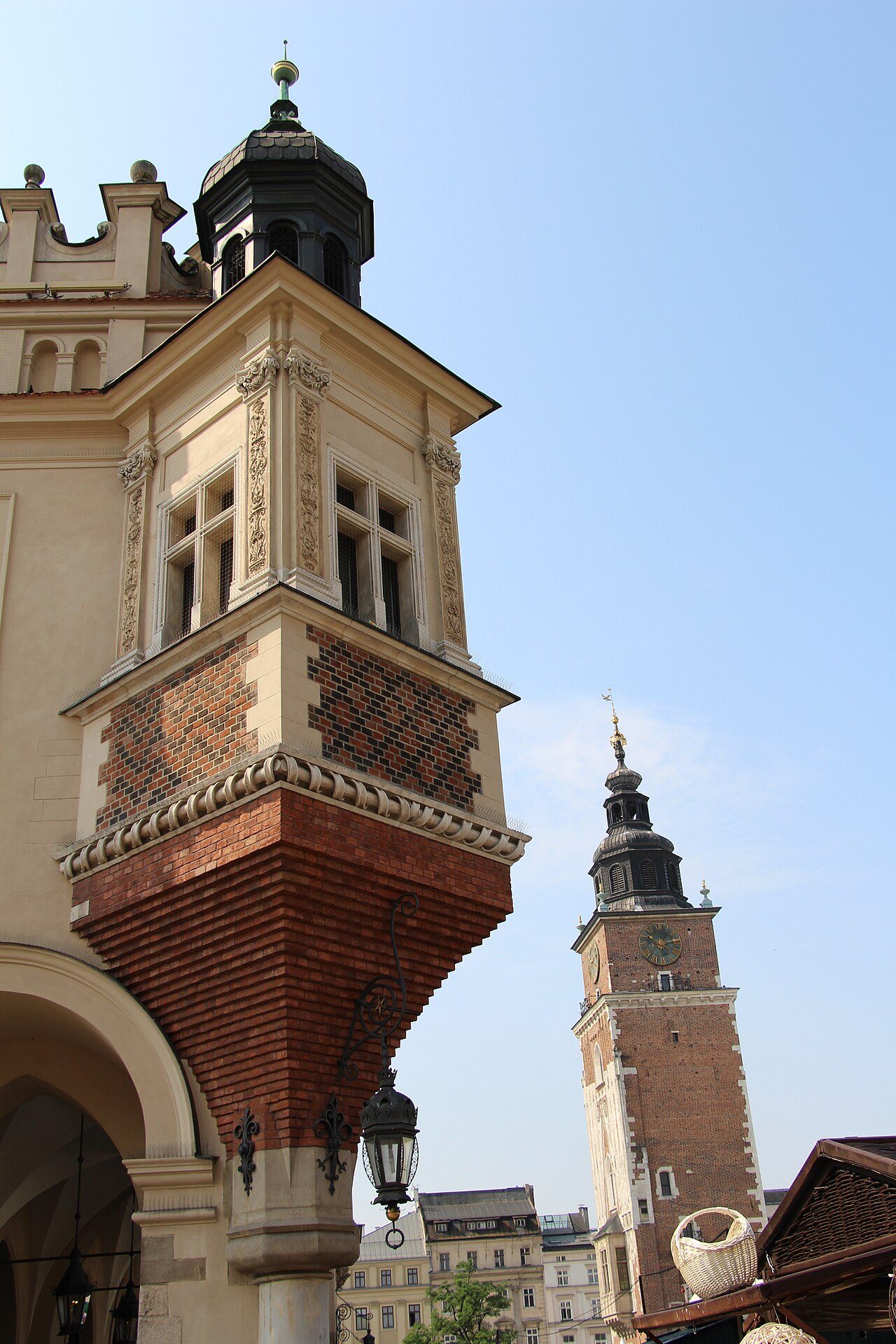
How the memorial's entry-card system actually works, where to stay to avoid the stag traffic, and what 15 million visitors a year do to a medieval centre.
Who is going to Krakow?
Going soon? Add your dates. Anyone who posts overlapping dates later sees you, and you hear about it.
Looking for a travel buddy? Ask travelers a question What should tourists avoid? Post what went wrong on your trip See who is going
Questions from the RuinMyTrip team. Answer one and start the Krakow conversation:
- Which neighborhood would you stay in on a first visit to Krakow?
- One thing you wish you had known before going to Krakow?
- What is overrated in Krakow, and what is worth it instead?
Nobody sees your dates until you post them, and nobody can message you until you say yes.
Book the memorial first. The Auschwitz-Birkenau Memorial and Museum received 1.95 million visitors in 2025, entry to the grounds is free, and entry cards are issued only online through visit.auschwitz.org. Individual visitors and organised groups can reserve up to three months in advance; the free cards, which are the ones without an educator, can be booked up to seven days ahead. In practice, high-season free slots disappear well before that. A guided visit with an educator costs 150 zloty per person, about 35 euros, and it is the version most people should take, because the site is large, the two parts are 3 km apart, and unguided visitors routinely leave without understanding what they walked through. Oswiecim is roughly 70 km west of Krakow and reachable by train or by organised transfer. Without a card you will not be admitted, so this is the one fixed appointment the trip is built around.
The city itself is smaller than its visitor numbers suggest. Nearly 15 million people came in 2024, tourism accounts for about 8 per cent of city GDP and around 40,000 jobs, and almost all of the pressure lands on the Rynek Glowny and the streets immediately around it. Research on Krakow describes the historic districts shifting from residential to commercial across the past decade, gentrifying into a tourist theatre, and the city is now discussed in the same European overtourism literature as Venice, Amsterdam and Barcelona. What that means for a visitor is simple: the main square between late morning and mid afternoon in summer is the worst version of Krakow, and it is at its best before 09:00.
The stag trade is the local variable that most affects where you sleep. Cheap flights made Krakow a stag-weekend destination and the UNESCO-listed Old Town became the venue, which is loud on Friday and Saturday nights. The genuinely ugly end of it is documented: some stag-package operators have listed Auschwitz among the activities available on a stag weekend. You are not obliged to participate in any of that, and the practical answer is to base yourself in Kazimierz or across the river in Podgorze. Both are ten to twenty minutes on foot from the square, both are cheaper, and Kazimierz has the better bars and restaurants anyway.
On money, Krakow remains well below Western European prices for food, drink, transport and accommodation, and the difference is large enough to change how you plan a trip. The exception is the ring of restaurants directly on the main square, which price for the visitor volume. One street back the same meal drops sharply. Trams and buses are cheap and frequent, and the centre is compact enough that most days need no transport at all.
Beyond the Old Town and the memorial, the two things worth clearing time for are Kazimierz and Wieliczka. Kazimierz is the historic Jewish quarter and, unusually, it has not been converted into a themed district; the synagogues, the cemeteries and the Galicia Jewish Museum are all worth the hours. The Wieliczka salt mine is a UNESCO site in its own right, about 30 minutes out of the city, and it books up in high season as well.
On timing, May to June and September deliver the best combination of weather and crowd levels. July and August put maximum pressure on both the square and the memorial. Winter is cold, dark and genuinely cheap, and the memorial in winter is a fundamentally different and much quieter experience, which some visitors specifically prefer.
Places this guide mentions
Been there? Correct us.
Prices move, routes close, places go downhill. A first-hand review is worth more than this guide and will be shown alongside it.
Share your experienceComments
Start the conversation.