Hoi An Practical Guide: Tickets, Da Nang Transfers, Flood Months and Tailor Rules
by RuinMyTrip Editorial · Jul 25, 2026
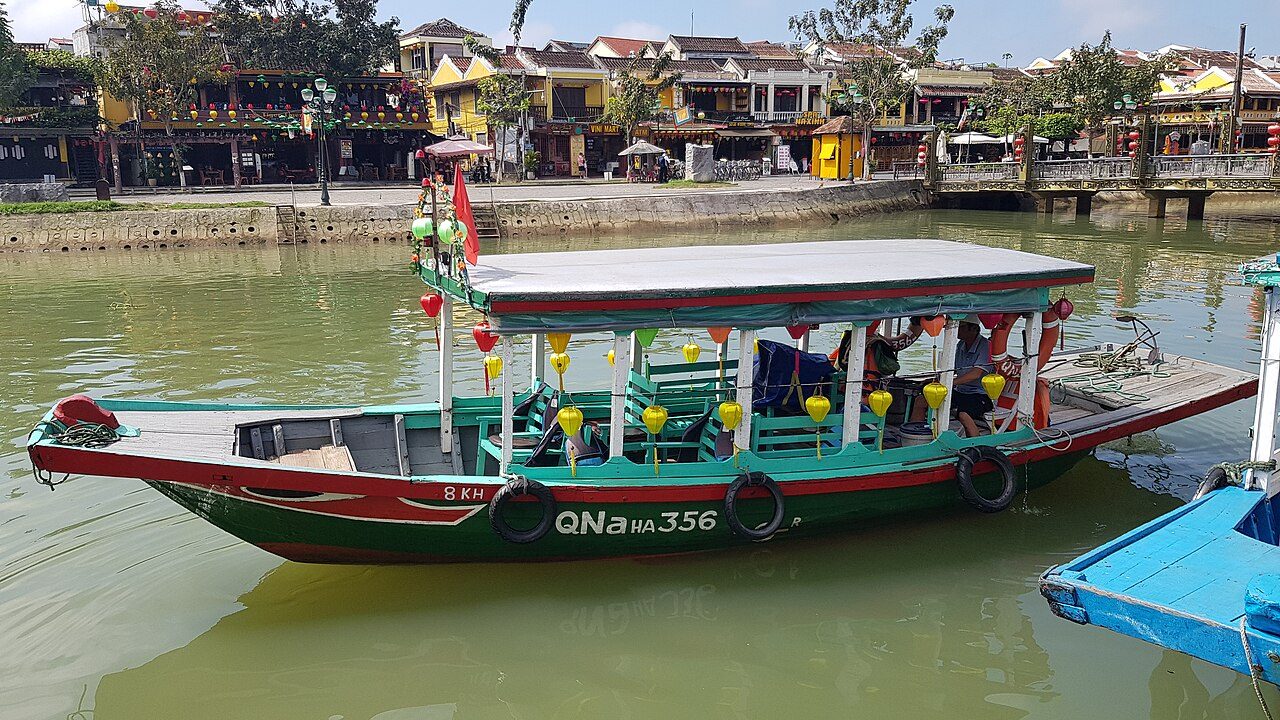
Month by month timing, real Da Nang airport transfer costs, current Ancient Town and My Son ticket prices, daily budget bands, and how the tailor commission system actually works.
When to go is the single decision that matters most in Hoi An. February through April is the strongest window, with warm days, low humidity and very little rain. May through August is reliably dry but hot, with central Vietnam highs pushing toward 40C, which makes midday walking through the Ancient Town unpleasant and pushes most activity to early morning and after dark. September through November is typhoon and flood season on the central coast and is the period to avoid if the trip is inflexible. The 2025 season was the clearest possible illustration: the Thu Bon river reached 5.62 metres in Hoi An on October 30, 2025, 14 centimetres higher than the 1964 record, floodwater sat in the Ancient Town until October 31, and a second round of flooding hit in early November. December and January are cooler and drier than October and November but still fall inside the wet season, so beach days are unreliable.
Getting in means Da Nang International Airport, roughly 30 kilometres and about 45 minutes north. Grab is the cleanest option at roughly 250,000 to 350,000 VND, with a small airport pickup surcharge handed to the driver on top of the in app fare. A metered taxi from the official rank, Mai Linh among them, generally runs 300,000 to 400,000 VND. A prearranged private transfer or hotel car costs 350,000 to 500,000 VND and is worth it on a late arrival. Freelance touts inside and outside arrivals quote 500,000 to 700,000 VND for the same ride. Decline them, walk to the rank, or open the app.
Getting around town is deliberately easy. The Ancient Town is small and closed to motorbikes during the pedestrian hours, so bicycles, usually free from hotels, cover almost everything including the 10 to 20 minute flat ride east to An Bang and Cua Dai beaches. Grab bikes and cars work for longer runs.
For sites, start with the Ancient Town ticket itself: 120,000 VND for foreigners, sold at yellow booths at the main entrances, valid 24 hours, admitting you to five of the 22 listed heritage buildings via tear off coupons. Spend the coupons on the assembly halls and old merchant houses rather than the smallest museums. The Japanese Covered Bridge, Chua Cau, reopened in August 2024 after a restoration costing about 20.2 billion VND, and it is worth seeing while accepting that the finish is visibly new and has been publicly criticised for exactly that. My Son Sanctuary, about 50 kilometres inland, charges 150,000 VND for foreigners, which includes the site museum, the electric shuttle and the dance show, and is best done on an early morning departure before the heat and the tour buses converge. Try to line the trip up with a lantern night, Dem Ram Pho Co, on the 14th night of the lunar month, with 2026 dates including 27 July, 26 August, 24 September, 23 October, 22 November and 22 December: motorbikes clear around 5:30 pm, electric lights go off from roughly 6 to 10 pm, and candle boats peak on the water between 7 and 9 pm. The one thing worth skipping is any tailor visit arranged by a driver or hotel desk.
On budget, the fixed and verifiable costs are modest. The Ancient Town ticket is 120,000 VND, My Son is 150,000 VND, and the airport transfer is 250,000 to 500,000 VND each way. At roughly 25,000 VND to the US dollar, that is about 5 dollars, 6 dollars and 10 to 20 dollars respectively. Around those numbers, a realistic all in daily figure is about 35 to 55 dollars for a budget traveller in a guesthouse eating at street stalls and local markets, about 70 to 120 dollars for a mid range visitor in a boutique hotel with sit down meals and a day trip, and 200 dollars and up if a tailored wardrobe or a riverside resort enters the picture. Treat clothing as a separate line, not a daily one.
Hoi An sees very little violent crime, so the safety conversation here is really about scams and weather, not personal danger. The commission system is the core issue: hotel staff, taxi drivers and helpful strangers earn 20 to 40 percent for steering customers to specific tailors, and that money comes out of fabric quality or your price. Suits under 100 dollars are fused rather than canvassed, polyester is sold as mulberry silk, and 24 hour turnaround means a factory made garment altered to fit. Book tailors independently, insist on multiple fittings across three or four days, and pay a deposit rather than the full amount up front. Agree fares before riding with non metered drivers, expect a foreigner price on unlabelled market goods, and during flood months check river conditions before committing to a riverside hotel.
Been there? Correct us.
Prices move, routes close, places go downhill. A first-hand review is worth more than this guide and will be shown alongside it.
Share your experienceComments
No comments yet.