Ho Chi Minh City Travel Guide: Transport, Scams and Costs in 2026
by RuinMyTrip Editorial · Aug 3, 2026
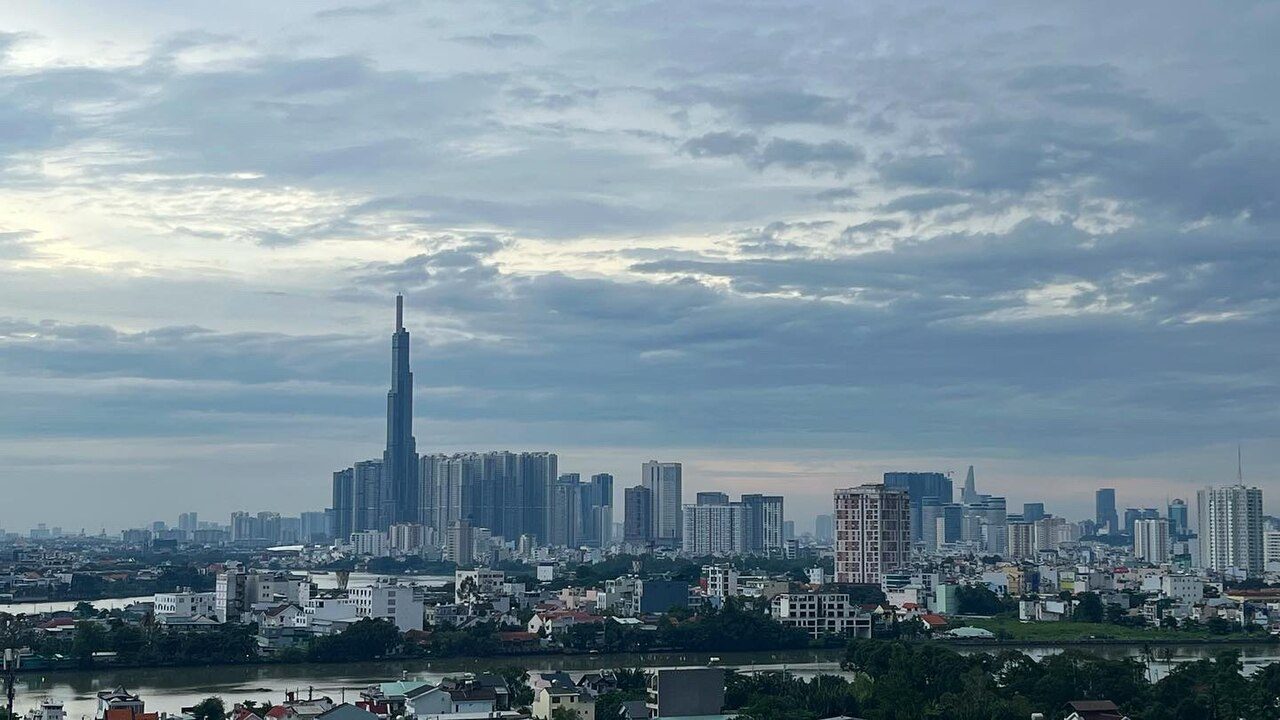
How to move around a city of nine million motorbikes, which taxis to refuse, what the new metro changes, and why Saigon is still the best value big city in the region.
Who is going to Ho Chi Minh City?
Going soon? Add your dates. Anyone who posts overlapping dates later sees you, and you hear about it.
Looking for a travel buddy? Ask travelers a question What should tourists avoid? Post what went wrong on your trip See who is going Travel buddies in Vietnam
Questions from the RuinMyTrip team. Answer one and start the Ho Chi Minh City conversation:
- What is overrated in Ho Chi Minh City, and what is worth it instead?
- What went wrong on your Ho Chi Minh City trip?
- What should tourists avoid in Ho Chi Minh City?
Nobody sees your dates until you post them, and nobody can message you until you say yes.
Ho Chi Minh City took more than 6.58 million international visitors in the first ten months of 2025, 65.9 per cent of a 10 million target, and tourism revenue reached 208.06 trillion Vietnamese dong, about 71.7 per cent of a 290 trillion dong goal worth roughly 11.02 billion US dollars. Those are the numbers behind the crowds in District 1. What they do not convey is that this is a working commercial city first, and the visitor infrastructure is layered on top of it rather than built for it.
Transport is the whole game. The city has around 9 million registered motorbikes and traffic that does not yield to pedestrians on the Western model. Crossing is a technique: step off the kerb, walk at a slow and completely constant pace, do not stop, do not reverse, and let the bikes steer around you. Everyone finds this alarming for a day and normal by the third. Hesitation is what causes collisions, because the riders are planning their path around where you will be, not where you are.
For vehicles, use apps. Grab, Be and Xanh SM all operate, all quote a fixed fare before you accept, and all remove the main scam in one move. That scam is unlicensed taxis that clone the branding of legitimate operators such as Mai Linh and Vinasun, using meters rigged to run fast, and it clusters around exactly the places visitors stand. The area around Ben Thanh Market is the most active zone in the city for it, along with the overcharging, fake tour booking and counterfeit-currency exchange that go with it. The rule that solves most of it: never take a cab that is parked and waiting outside a tourist site.
Metro Line 1 has changed the centre. It opened on 22 December 2024, runs 19.7 km with 14 stations between Ben Thanh and Suoi Tien, and in 2025 it carried 20,558,990 passengers, an average of 56,326 a day, peaking around 110,000 a day during Tet. TIME named it one of the World's Greatest Places of 2025. It is cheap, clean and air conditioned, and for a visitor it links the District 1 core to the eastern side of the city without a road.
On organised selling, Vietnamese authorities recorded dozens of complaints against tourism businesses in the first quarter of 2026, mostly involving vacation package sales, contract violations and aggressive tactics used to pressure people into signing. Nothing bought from a person who approached you on the street is worth the discount. Book tours through your accommodation or a known operator.
Air quality is the cost nobody quotes. PM2.5 concentrations in the city run at roughly three times the World Health Organization's annual guideline value, and the dry season from around December to April is the worse half of the year for it. It is a manageable nuisance for most people and a real consideration for anyone with asthma or a young child.
On money, this is one of the great value cities. Street food is a few dollars and better than most restaurant food, Vietnamese coffee is a serious local craft rather than a tourist prop, and accommodation runs far below what comparable Asian cities charge. Carry small notes, count zeros carefully because the denominations are large and the 20,000 and 500,000 dong notes are similar colours, and use bank ATMs rather than the standalone machines in tourist alleys.
What to actually do: the War Remnants Museum and the Reunification Palace are both direct and unsentimental about the war, the Cu Chi tunnels are a half-day out of the city, and the best hours in Saigon are early morning around the markets and late evening on the street, when the heat drops and the food comes out. Private hospital care in the city meets international standards but costs can exceed 500 US dollars a day for serious treatment, which is the argument for travel insurance rather than against the destination. Vietnam sits at the mildest tier of most Western travel advisories, the same rating applied to much of Europe.
Been there? Correct us.
Prices move, routes close, places go downhill. A first-hand review is worth more than this guide and will be shown alongside it.
Share your experienceComments
Start the conversation.