Cartagena Practical Guide: Neighborhoods, Timing and Getting Around
by RuinMyTrip Editorial · Aug 1, 2026
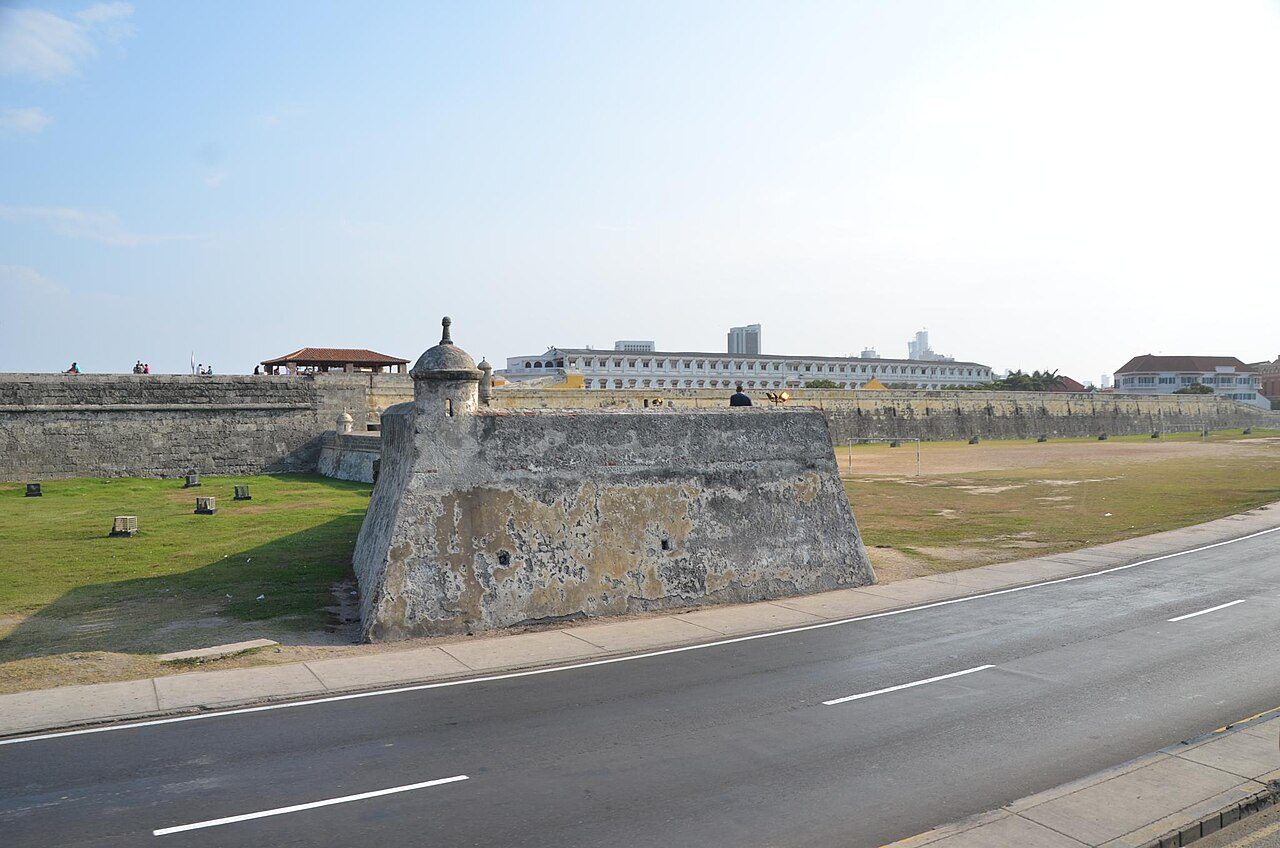
Where to base yourself, when to go, and how to move around Cartagena without overpaying or overheating.
Who is going to Cartagena?
Going soon? Add your dates. Anyone who posts overlapping dates later sees you, and you hear about it.
Looking for a travel buddy? Ask travelers a question What should tourists avoid? Post what went wrong on your trip See who is going Travel buddies in Colombia
Questions from the RuinMyTrip team. Answer one and start the Cartagena conversation:
- Which neighborhood would you stay in on a first visit to Cartagena?
- One thing you wish you had known before going to Cartagena?
- What is overrated in Cartagena, and what is worth it instead?
Nobody sees your dates until you post them, and nobody can message you until you say yes.
Cartagena splits into a few distinct zones that matter more for planning than the guidebooks suggest. The walled Ciudad Amurallada is the postcard core, dense with restored colonial mansions, boutique hotels and restaurants, and it charges accordingly, with current pricing showing a 40 to 50 percent premium over neighboring Getsemani for comparable quality. Getsemani, just outside the walls, has its own dense grid of street art, live music bars and casual restaurants and has become the better-value base for most travelers without losing much walkable proximity to the old town. Bocagrande, the high-rise beach strip south of the old city, is a separate, more modern zone popular with domestic tourists and less connected to the colonial-city experience most visitors come for.
Timing matters more in Cartagena than in a lot of Caribbean destinations because the climate barely varies month to month in temperature but swings hard in rainfall and crowding. The dry season runs roughly December through April and is the most comfortable window for walking the walls and the old town, while the wet season runs May through November. Humidity sits around 82 percent essentially year round, so even the 'cooler' months feel muggy; February and March post the highest recorded highs, but April, May and September combine strong heat with peak humidity and are frequently described as feeling worse on the ground. Cruise ship schedules are worth checking independently of weather: the 2025 to 2026 season brought a projected 26 percent jump in passenger volume, and a heavy port day can visibly change how crowded the walled city's main plazas and shopping streets feel by mid-morning.
Getting around is straightforward. The walled city and Getsemani are compact, mostly flat and easy to cover on foot, and as of December 29, 2025, the old horse-drawn carriages that circled the walls were replaced with a fleet of 62 electric carriages, with most of the original drivers retained. For anything farther, Uber operates in the city despite functioning in a legal gray area in Colombia, and often beats street taxi pricing; InDriver, where you propose your own fare and drivers accept or counter, frequently comes in 20 to 30 percent cheaper than Uber. Traditional taxis remain common but don't use meters, so agree on a price before the ride starts rather than after. For money, expect an exchange rate in the neighborhood of 3,100 to 3,200 pesos to the U.S. dollar, and know that Migracion Colombia updated its administrative fee schedule under Resolution 0599, effective February 10, 2026, which raised several visa and tourist-stamp related fees, so travelers extending a stay should check current rates rather than relying on older figures.
Been there? Correct us.
Prices move, routes close, places go downhill. A first-hand review is worth more than this guide and will be shown alongside it.
Share your experienceComments
Start the conversation.