Cairo Practical Guide: Getting Around, When to Go, and Where to Stay
by RuinMyTrip Editorial · Aug 1, 2026
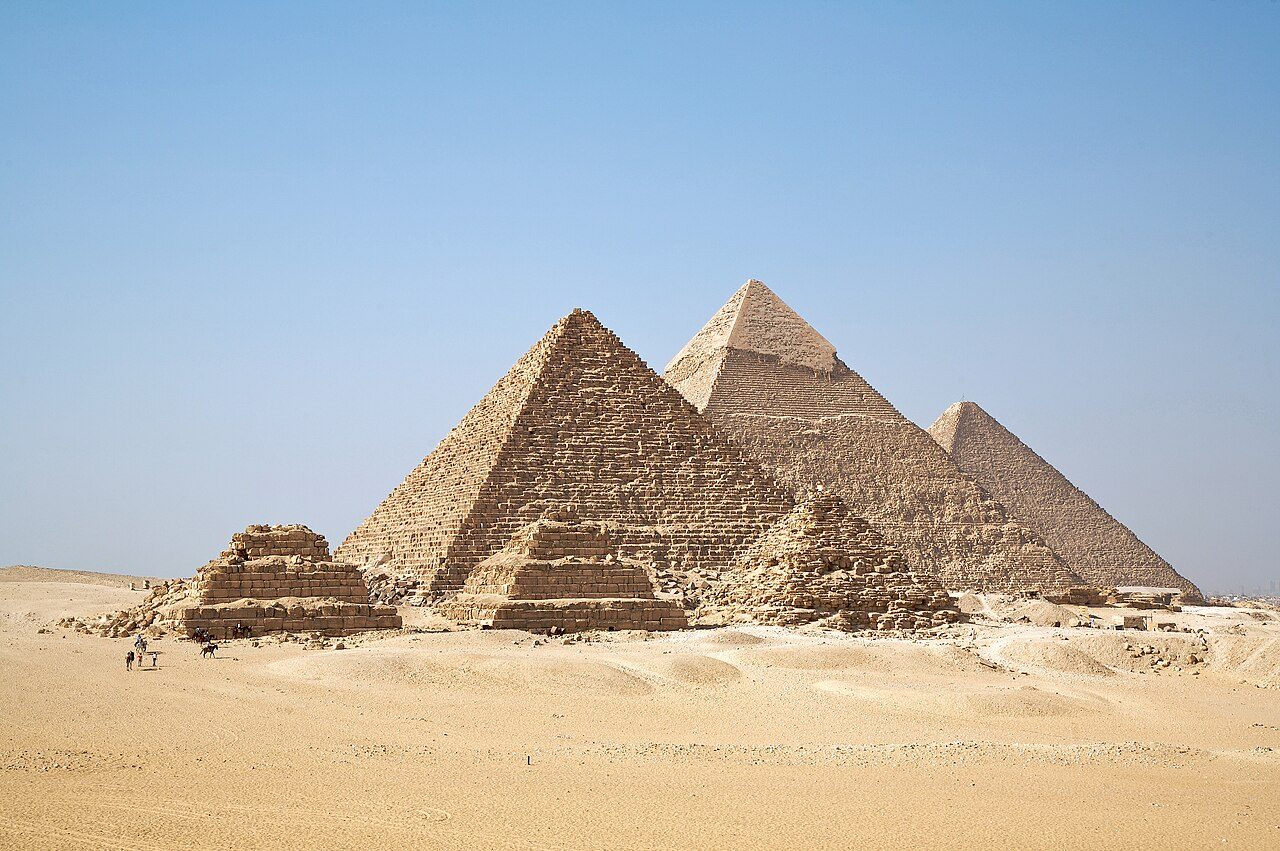
How to navigate Cairo's metro and traffic, when the weather and crowds actually work in your favor, and where to base yourself for the pyramids, the museum and the old city.
Who is going to Cairo?
Going soon? Add your dates. Anyone who posts overlapping dates later sees you, and you hear about it.
Looking for a travel buddy? Ask travelers a question What should tourists avoid? Post what went wrong on your trip See who is going
Questions from the RuinMyTrip team. Answer one and start the Cairo conversation:
- What went wrong on your Cairo trip?
- What should tourists avoid in Cairo?
- Which neighborhood would you stay in on a first visit to Cairo?
Nobody sees your dates until you post them, and nobody can message you until you say yes.
Cairo's metro is the fastest and cheapest way to cross the city, avoiding the traffic that clogs most surface streets for hours a day. As of the March 2026 fare increase, a ride of up to 9 stations costs 10 EGP, up to 16 stations is 12 EGP, up to 23 stations is 15 EGP, and anything longer tops out at 20 EGP, payable with a single paper ticket or a rechargeable contactless card tapped at the gate. For the Giza Plateau itself, which sits outside easy metro reach, ride-hailing apps like Uber and Careem are the more reliable and scam-resistant option over hailing a street taxi, where drivers claiming a 'broken meter' remain one of the most common tourist complaints in the city.
October through March is the peak window for a reason: daytime temperatures sit in a comfortable 14 to 22 Celsius range, though hotel prices and crowds climb accordingly. The shoulder months of March to May and September to November offer a middle ground, with temperatures around 23 to 29 Celsius, thinner crowds, and lower rates. Summer, from roughly May through September, brings dry desert heat that regularly clears 34 Celsius and can exceed 40 Celsius at midday, which combines poorly with the plateau's shadeless open terrain and the city's traffic-driven smog.
Zamalek, the leafy island neighborhood on the Nile, is the most common base for visitors who want quieter streets and easy river access, while Downtown Cairo and Garden City sit closer to the Egyptian Museum in Tahrir and Khan El-Khalili bazaar in Islamic Cairo. Staying near Giza itself cuts commute time to the pyramids and the new museum but puts you farther from the old city's mosques, churches and market streets. For money-saving moves, carry a card for all official admissions since cash is increasingly refused at ticket windows, keep smaller Egyptian-pound cash on hand specifically for baksheesh, roughly 20 to 50 EGP for informal help at smaller mosques or Coptic churches, and confirm any e-visa purchase is going through the official government portal rather than a marked-up third-party reseller.
Been there? Correct us.
Prices move, routes close, places go downhill. A first-hand review is worth more than this guide and will be shown alongside it.
Share your experienceComments
Start the conversation.