Boracay Travel Guide: Fees, Ferries and When Not to Go in 2026
by RuinMyTrip Editorial · Aug 2, 2026
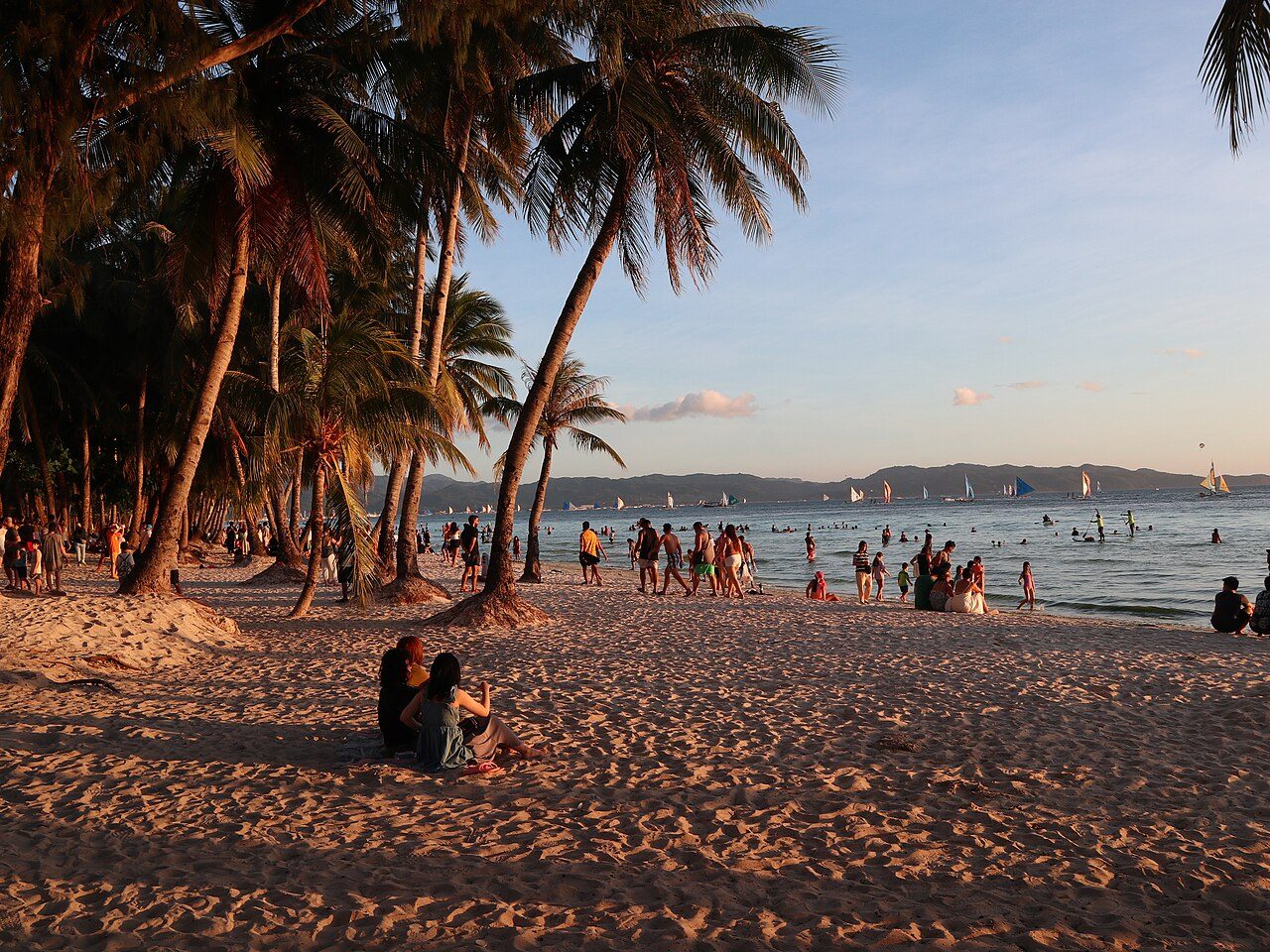
How to get to Boracay, what the layered local fees actually cost in 2026, and how to time a trip around the carrying-capacity breaches and algae season.
Who is going to Boracay?
Going soon? Add your dates. Anyone who posts overlapping dates later sees you, and you hear about it.
Looking for a travel buddy? Ask travelers a question What should tourists avoid? Post what went wrong on your trip See who is going
Questions from the RuinMyTrip team. Answer one and start the Boracay conversation:
- What is overrated in Boracay, and what is worth it instead?
- What went wrong on your Boracay trip?
- What should tourists avoid in Boracay?
Nobody sees your dates until you post them, and nobody can message you until you say yes.
Getting to Boracay is a short, well-worn chain with a toll booth in the middle. Fly into Caticlan (MPH), take a five to ten minute tricycle or van to the Caticlan Jetty Port for around P75, clear the fee windows, then cross to the island by pump boat in roughly five to fifteen minutes for about P50. Ferry service runs around the clock, with scheduled departures every 30 to 60 minutes between about 5:00 AM and 8:00 PM and boats outside those hours waiting to fill.
The fees are where people get caught out, because there is no single ticket. The Malay local government's schedule includes a terminal fee of P300, an environmental fee of P150 for domestic visitors and P300 for foreign visitors, boat transfer of P50 to P100, land transport from P150 to P700, and separate charges for activities such as snorkeling. Payment is cashless: Mayor Frolibar Bautista signed Executive Order No. 45 on December 3, 2025 mandating the Boracay i-Pass system, and on March 1, 2026 the digital payment convenience fee rose from P35 to P85, a change projected to collect at least P85 million a year from roughly a million tourists. This is contested rather than settled. Interior Secretary Juanito Victor Remulla ordered the LGU in February 2025 to reduce fees or impose a collection moratorium; as of March 2026 the Department of Tourism's regional director confirmed the LGU would not budge, so plan on paying the current schedule.
Timing matters more than anything else here. The DENR set the island's ecological carrying capacity at 19,215 people present at any time during the 2018 rehabilitation, and it has been exceeded every Holy Week since 2022, most recently on April 14 and 15, 2026 at 21,252 and 22,519 arrivals despite Semana Santa visitor numbers dipping four percent year on year. The peak season, Amihan, runs roughly Christmas through February and brings the calmest water on the White Beach side. February through May brings seasonal green algae blooms onto the sand, harmless but unattractive. That leaves the shoulder weeks of late November and early December, or the quieter stretches outside Philippine holidays, as the sensible windows. On the island itself, the post-2018 rules still apply: a 30-metre buffer from the waterline keeps the beach clear of structures, single-use plastics are banned, smoking and drinking on the beach are restricted, reef-safe sunscreen is promoted and boat access is regulated, and electric tricycles have replaced much of the old fleet on the back road.
Been there? Correct us.
Prices move, routes close, places go downhill. A first-hand review is worth more than this guide and will be shown alongside it.
Share your experienceComments
Start the conversation.