Accra Travel Guide: Visas, Money, and Getting Around in 2026
by RuinMyTrip Editorial · Aug 1, 2026
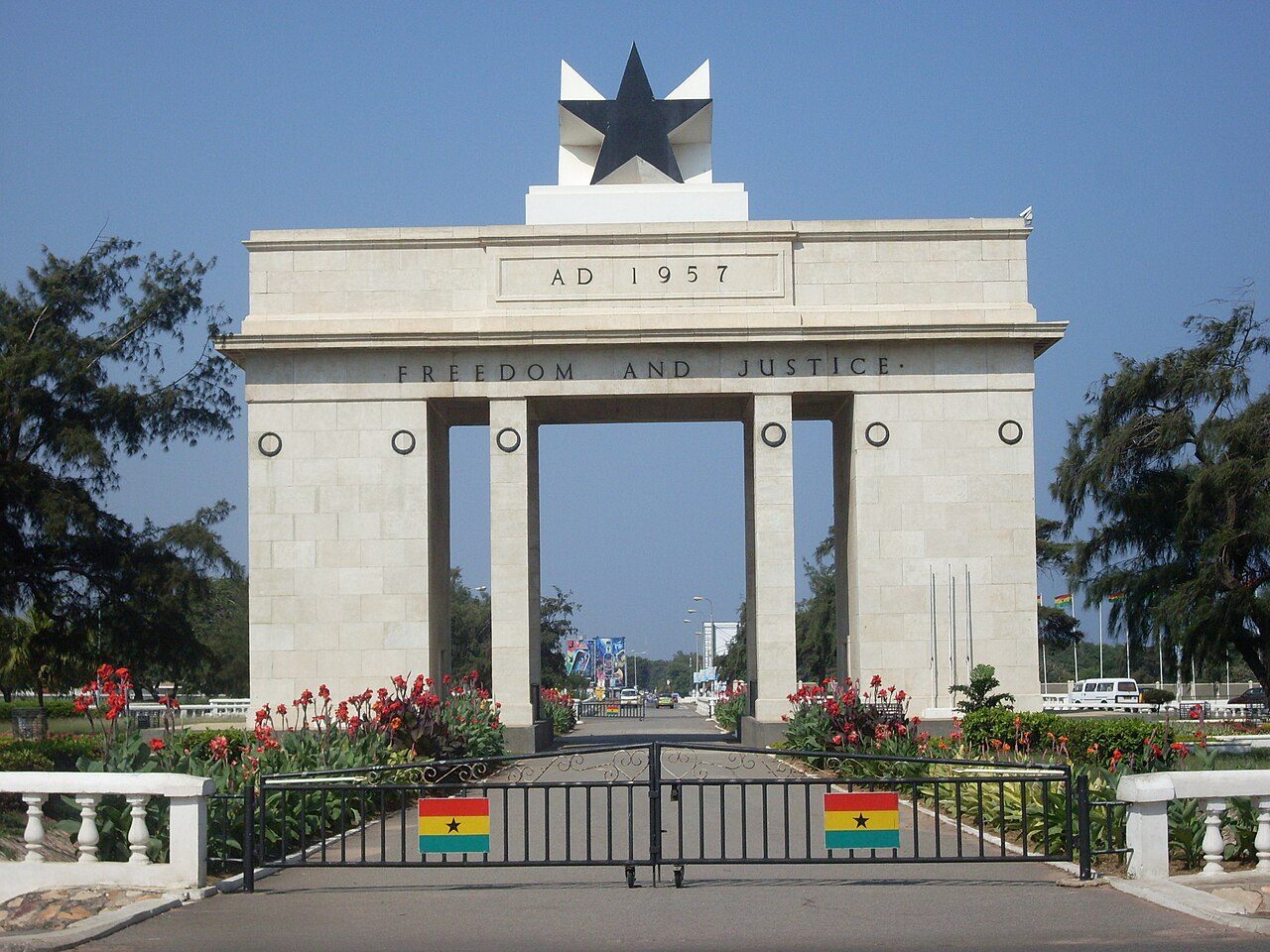
A practical rundown of Ghana's new entry rules, a fast-moving currency, and how to actually move around Accra without overpaying.
Who is going to Accra?
Going soon? Add your dates. Anyone who posts overlapping dates later sees you, and you hear about it.
Looking for a travel buddy? Ask travelers a question What should tourists avoid? Post what went wrong on your trip See who is going
Questions from the RuinMyTrip team. Answer one and start the Accra conversation:
- What is overrated in Accra, and what is worth it instead?
- What went wrong on your Accra trip?
- What should tourists avoid in Accra?
Nobody sees your dates until you post them, and nobody can message you until you say yes.
Entry paperwork is the first real hurdle. Since May 25, 2026, Ghana requires either a free electronic travel authorization for ECOWAS and other African Union nationals or a paid e-visa for everyone else, applied for in advance through evisa.immigration.gov.gh, since visa-on-arrival no longer exists. Build in at least a week before travel for standard processing, longer if you want to avoid the priority and express surcharges. Pack proof of accommodation and a return ticket, since both are part of the application, and bring your physical yellow fever card since it gets checked at a dedicated health desk at Kotoka before you even reach the immigration line.
Getting around the city comes down to three real options. Uber and Bolt are the easiest for visitors, cover most of Accra, and let you see the fare before you commit, with a typical cross-town trip running 60 to 120 cedis. Trotros, the shared minibuses that locals rely on, are far cheaper but their routes are not signed in any way a first-timer can read, so ask a guesthouse or local to write down the junction names you need before you try one. Traditional yellow-fendered taxis are everywhere but rarely run a working meter, so settle on a cedi price before getting in, and always negotiate from inside the terminal or a fixed location rather than with someone who approaches you first.
The dry season, roughly November through March, is the easiest window to visit, with lower humidity, little rain, and the cooler, dusty harmattan winds making outdoor time more comfortable than during the heavier April to July rains. The minor rainy season from September to October is lighter and more tolerable if the November to March window does not fit your schedule.
For neighborhoods, Osu is the standard base for visitors, dense with guesthouses, restaurants, and nightlife within walking distance of the coast. Jamestown offers a rawer, older version of the city with less tourist infrastructure, and Makola Market is worth a visit for the sensory experience alone even if you are not there to buy anything. The single biggest money-saving move is simply sticking to street food and chop bars over restaurant menus aimed at visitors, since a filling plate of jollof or waakye runs a few dollars against ten times that at a tourist-facing restaurant, and pairing that with ride-hailing apps instead of unmetered taxis keeps both your costs and your stress down.
Been there? Correct us.
Prices move, routes close, places go downhill. A first-hand review is worth more than this guide and will be shown alongside it.
Share your experienceComments
Start the conversation.