Zanzibar Travel Guide: Getting In, Getting Around, and What It Actually Costs
by RuinMyTrip Editorial · Aug 1, 2026
Practical logistics for Zanzibar in 2026, from the mandatory e-visa to which coast to base yourself on and how to dodge the worst of the new fees.
Who is going to Zanzibar?
Going soon? Add your dates. Anyone who posts overlapping dates later sees you, and you hear about it.
Looking for a travel buddy? Ask travelers a question What should tourists avoid? Post what went wrong on your trip See who is going
Questions from the RuinMyTrip team. Answer one and start the Zanzibar conversation:
- One thing you wish you had known before going to Zanzibar?
- What is overrated in Zanzibar, and what is worth it instead?
- What went wrong on your Zanzibar trip?
Nobody sees your dates until you post them, and nobody can message you until you say yes.
Most international flights land at Abeid Amani Karume International Airport (ZNZ) outside Stone Town, either direct on charter and leisure carriers from Europe or via a connection through Dar es Salaam or Nairobi. Have your e-visa approval printed or saved before you fly since Tanzania stopped issuing visas on arrival in January 2025; applying at visa.immigration.go.tz two to five business days ahead avoids any airport surprises. Getting around the island itself is mostly by private taxi or a hotel-arranged transfer for the roughly 45 minute to hour-long drive from the airport to the east-coast beach areas, with dala-dala shared minibuses the cheap but slow local option and rental scooters or cars an option for confident, experienced drivers used to left-hand traffic and minimal signage.
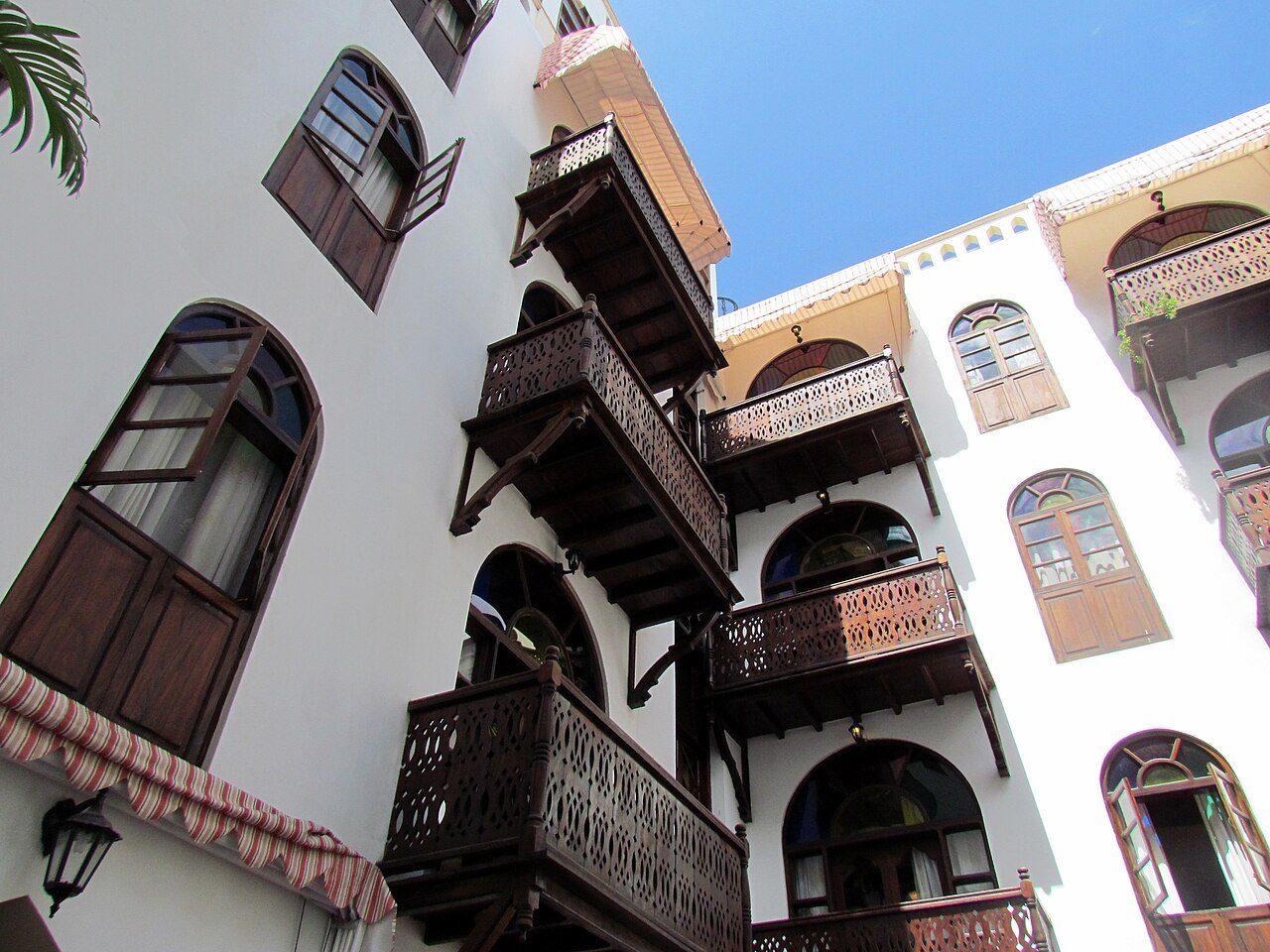
Stone Town is the obvious base if you want to walk to the House of Wonders, the Old Fort, and the old slave market site, and stay amid the carved-door architecture that earned the district its UNESCO listing. It's also the most urban, least beach-adjacent option. The east coast, around Paje, Jambiani, and Bwejuu, has the calmer, powder-sand beaches and is the kitesurfing hub, while Nungwi and Kendwa on the northern tip have livelier resort strips and some of the best swimming since they're less affected by the tide going out over reef flats than the east coast can be.
On timing, Zanzibar's tourism numbers have been climbing steadily, with October 2025 arrivals up 24 percent year over year and December 2025 up another 10 percent, so the traditional dry, high-season months from roughly June through October and December through February are getting busier and pricier each year. The long rains typically fall March through May, which is the quietest and cheapest window if you can tolerate more rain and humidity in exchange for thinner crowds and lower rates.
On money, budget beyond the room rate itself. The $10-per-person, per-night hotel levy introduced in August 2024 and the international flight tax that started folding into airfares in November 2025 aren't always itemized clearly by booking sites, so ask your hotel or airline directly what's included before you commit. Spice tours ($15 to $40) and Stone Town's museums are inexpensive relative to a full day on the water, so if the budget is tight, prioritize a spice tour and a couple of Stone Town half-days over stacking multiple paid excursions.
Been there? Correct us.
Prices move, routes close, places go downhill. A first-hand review is worth more than this guide and will be shown alongside it.
Share your experienceComments
Start the conversation.