Tulum Travel Guide: Prices, Beach Fees and Sargassum in 2026
by RuinMyTrip Editorial · Aug 2, 2026
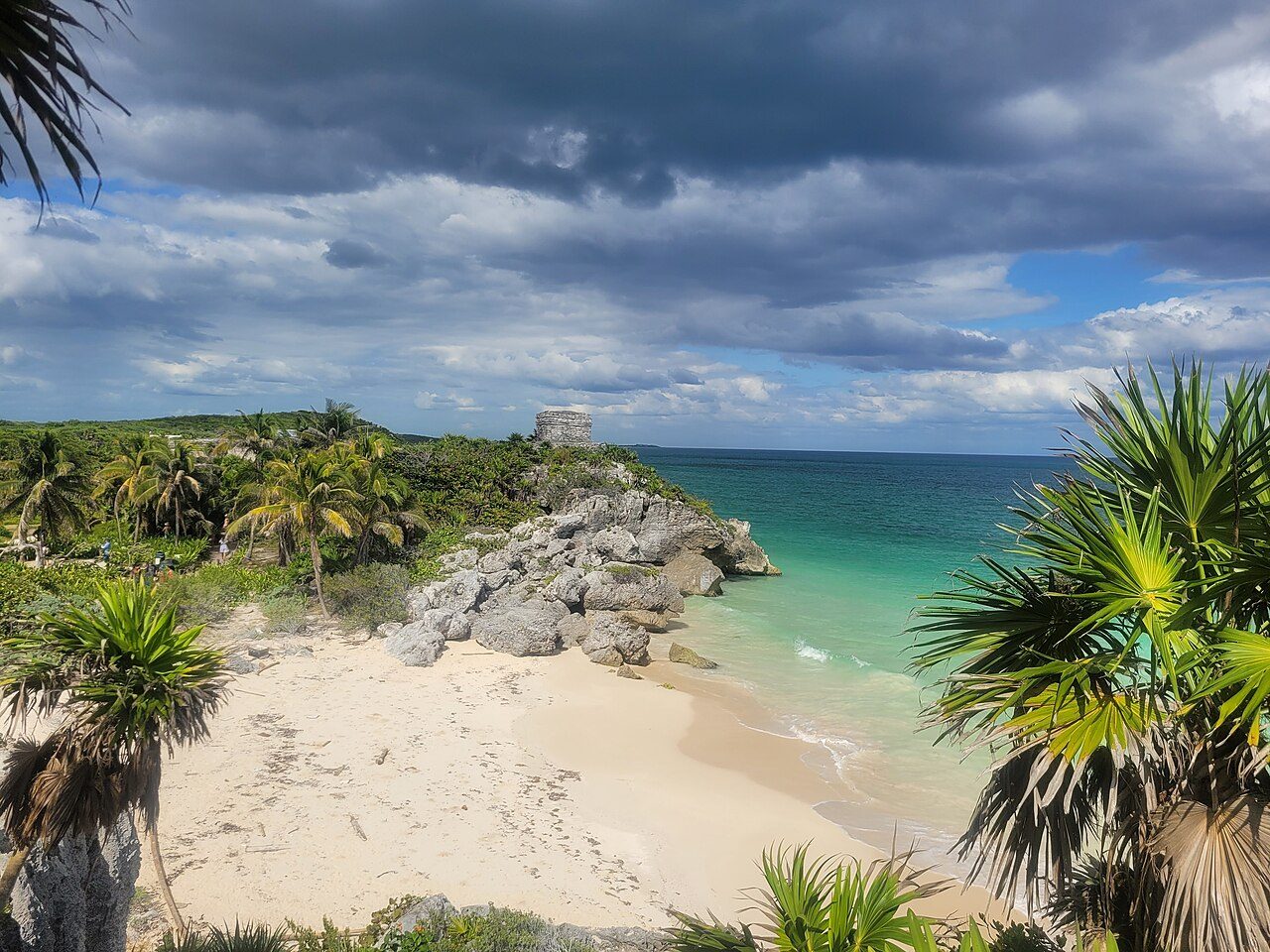
What Tulum actually costs now that occupancy has collapsed, the current Parque del Jaguar and ruins fees after the July 2026 rollback, how to read the sargassum season, and how to get there as airlines pull back.
Who is going to Tulum?
Going soon? Add your dates. Anyone who posts overlapping dates later sees you, and you hear about it.
Looking for a travel buddy? Ask travelers a question What should tourists avoid? Post what went wrong on your trip See who is going Travel buddies in Mexico
Questions from the RuinMyTrip team. Answer one and start the Tulum conversation:
- Which neighborhood would you stay in on a first visit to Tulum?
- One thing you wish you had known before going to Tulum?
- What is overrated in Tulum, and what is worth it instead?
Nobody sees your dates until you post them, and nobody can message you until you say yes.
Go to Tulum in 2026 with the market in mind, because for the first time in a decade the leverage is on the visitor's side. Coastal hotel occupancy fell to 49.2 per cent in September 2025 from 66.7 per cent in September 2024, and over the summer it reached 30 per cent on the coast and 15 per cent in the town centre, while average nightly rates were still around 450 dollars, up about 25 per cent on 2023. That gap is a negotiation. Book direct, ask for a rate for a longer stay, and do not accept the first number from a hotel running half empty.
The fee situation has just been simplified and it is now cheaper than the internet thinks. The creation of Parque Nacional del Jaguar put entry charges on coastline that used to be free, with foreigners paying 415 pesos, roughly 22 dollars, and that became the most criticised policy in the region. On 17 July 2026 President Sheinbaum confirmed free entry to Parque del Jaguar for national visitors and reduced the Tulum archaeological zone fee to 80 pesos for Mexican nationals and 265 pesos for foreign visitors. Check the current posted price at the gate rather than paying whatever an unofficial guide quotes you.
Sargassum decides your beach experience and nothing else does. The 2026 season arrived unusually early and is running ahead of prior years: over 2,450 tonnes cleared from Tulum's beaches, 39,500 tonnes removed from the Quintana Roo coast by the Navy, already past the entire 2024 total before peak months, with thirteen vessels and 191 personnel intercepting it offshore. Peak influx is broadly late spring through summer and the winter months are usually clearer, but the pattern is volatile enough that a live daily report for your dates is worth more than any seasonal rule of thumb. Hotels with active beach-cleaning crews and any property on a cove or protected stretch do materially better than an exposed strip of open coast.
Budget the small charges, because they are what break the trip. Beach clubs typically impose a 500 to 800 peso per person minimum consumption before you get a lounger. Taxi fares can reach 25 dollars for short rides on a town whose entire hotel zone is strung along one road, which is why bicycles and the colectivo vans are how most experienced visitors move. Restaurant pricing on the beach road is set for a market that has stopped showing up, and the town centre is dramatically cheaper for the same food.
Getting there is the easiest it has ever been and the airline picture is the most fragile. Felipe Carrillo Puerto International Airport, TQO, opened in December 2023 and put Tulum on the map for direct flights, while the Tren Maya links Cancun Airport, which has a station adjacent to the terminal, to Tulum via Playa del Carmen, with the Merida to Tulum stretch fully operational since 2024. But Delta is dropping Minneapolis and Detroit nonstops and American, Delta, JetBlue and United have all pulled back winter capacity into TQO. Atlanta, Houston, Miami and Dallas hub routes are running normally. If your city is not one of those, price flying into Cancun and taking the train, which is often cheaper anyway.
On safety, be proportionate. Quintana Roo has been at US State Department Level 2, Exercise Increased Caution, as of July 2026, the same level as France, Germany and the United Kingdom, and it stayed at Level 2 through the February 2026 wave of cartel violence that flared across several Mexican states and briefly touched the Caribbean coast. Tourist operations continued throughout. The realistic risks in Tulum for a visitor are financial rather than physical, and the advice that follows from that is boring: agree prices in advance, use official transport, and keep valuables off the beach.
Finally, get off the strip. The cenotes inland, Coba, and the Sian Ka'an biosphere reserve south of town are the parts of the Tulum area that were never overpriced and were never dependent on the beach-club economy, and they are the reason the destination is still worth three days.
Been there? Correct us.
Prices move, routes close, places go downhill. A first-hand review is worth more than this guide and will be shown alongside it.
Share your experienceComments
Start the conversation.