Home / Guides / Tokyo Travel Guide 2026: Getting Around, When to Go, and Where the Money Actually Goes
Tokyo Travel Guide 2026: Getting Around, When to Go, and Where the Money Actually Goes
by RuinMyTrip Editorial · Aug 1, 2026
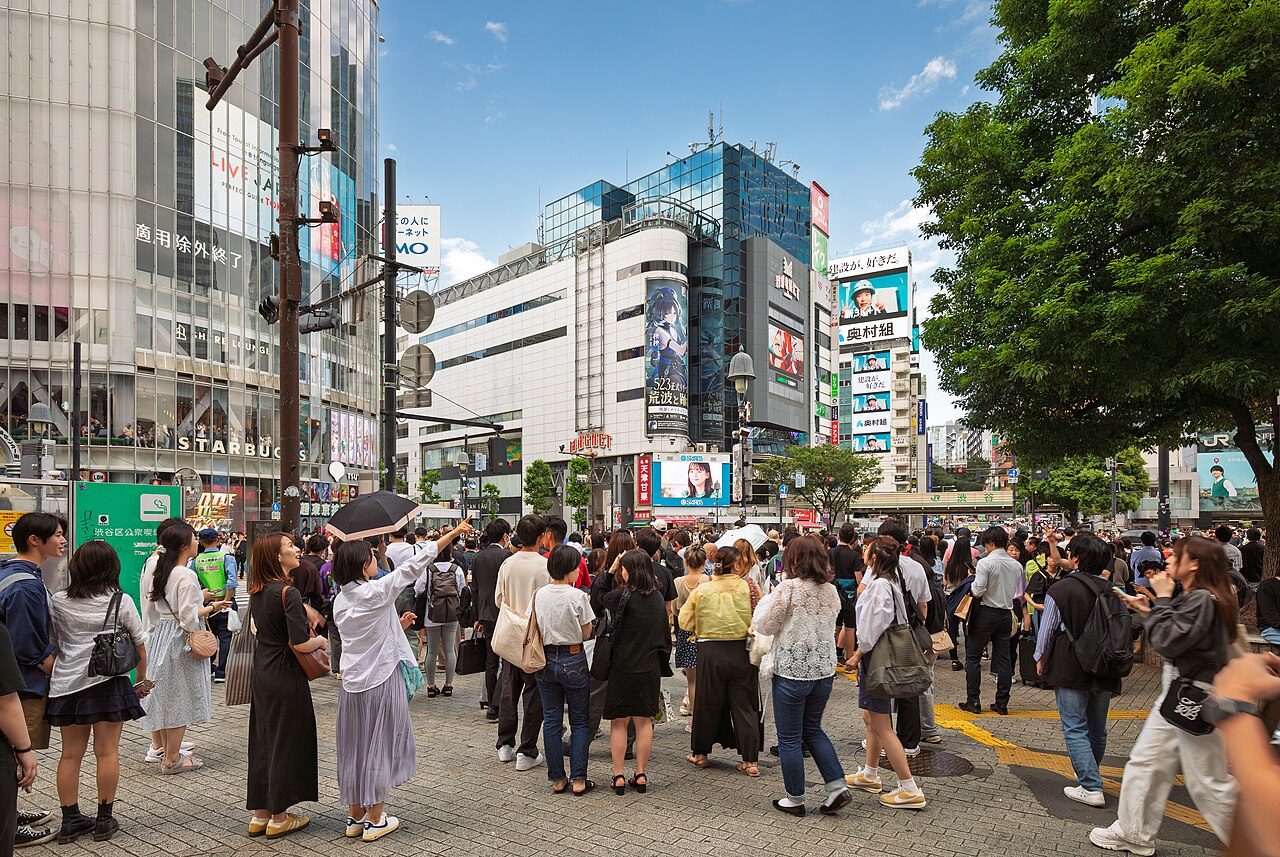
A practical rundown of Tokyo's transit, timing, and cost realities for 2026, built around verified fares, fees, and crowd patterns rather than outdated guidebook numbers.
Who is going to Tokyo?
1 conversation
Going soon? Add your dates and see whose overlap yours.
Looking for a travel buddy? Ask travelers a question What should tourists avoid? Post what went wrong on your trip See who is going Travel buddies in Japan
Latest in the Tokyo community
Nobody sees your dates until you post them, and nobody can message you until you say yes.
Getting around Tokyo still means the train, and it's still the best urban rail system most visitors will ever use, but load a Suica or Pasmo IC card the moment you land since fares dropped a hair for card users versus paper tickets after the March 2026 increase, minimum JR East fare is 160 yen paper, 155 yen on IC. Both cards work interchangeably across nearly every train, subway, and bus line in the city, plus convenience stores and vending machines. If your trip extends beyond Tokyo, decide on a Japan Rail Pass before October 1, 2026, prices go up that day, the 7 day Ordinary pass rising from 50,000 to 53,000 yen.
Timing your visit matters more than it used to because of how concentrated the crowds have become. Weekday mornings are dramatically calmer at Senso-ji, teamLab, and Shibuya Crossing than weekend afternoons, when Japan's tourism numbers, already past 10 million arrivals nationally in the first quarter of 2026 alone, pile onto the same handful of neighborhoods. If your dates are flexible, shoulder season weekdays will save you both money and patience.
Neighborhood choice affects your budget directly. Shinjuku, Shibuya, and Ginza are convenient but are also where hotel shortages have been most acute in 2026, with rates up 14 to 17 percent year over year and rooms selling out during peak weeks. Staying a station or two out, in areas like Kita-Senju, Nakano, or parts of Koto ward, generally means lower rates and a five to fifteen minute train ride into the center, a reasonable tradeoff given how good the rail network is.
On money moving forward, the weak yen is still doing most of the work of keeping Tokyo affordable for dollar and euro spenders, convenience store meals in the 700 to 1,000 yen range and ramen from around 600 yen make eating well cheap by international standards. Just build in the new July 2026 fees, the tripled 3,000 yen departure tax and the visa fee jump to 15,000 yen for single entry, when you're totaling the real cost of the trip, they're easy to forget until you're at the airport.
Been there? Correct us.
Prices move, routes close, places go downhill. A first-hand review is worth more than this guide and will be shown alongside it.
Share your experienceComments
Start the conversation.