San Jose, Costa Rica: A Practical Gateway Guide
by RuinMyTrip Editorial · Aug 1, 2026
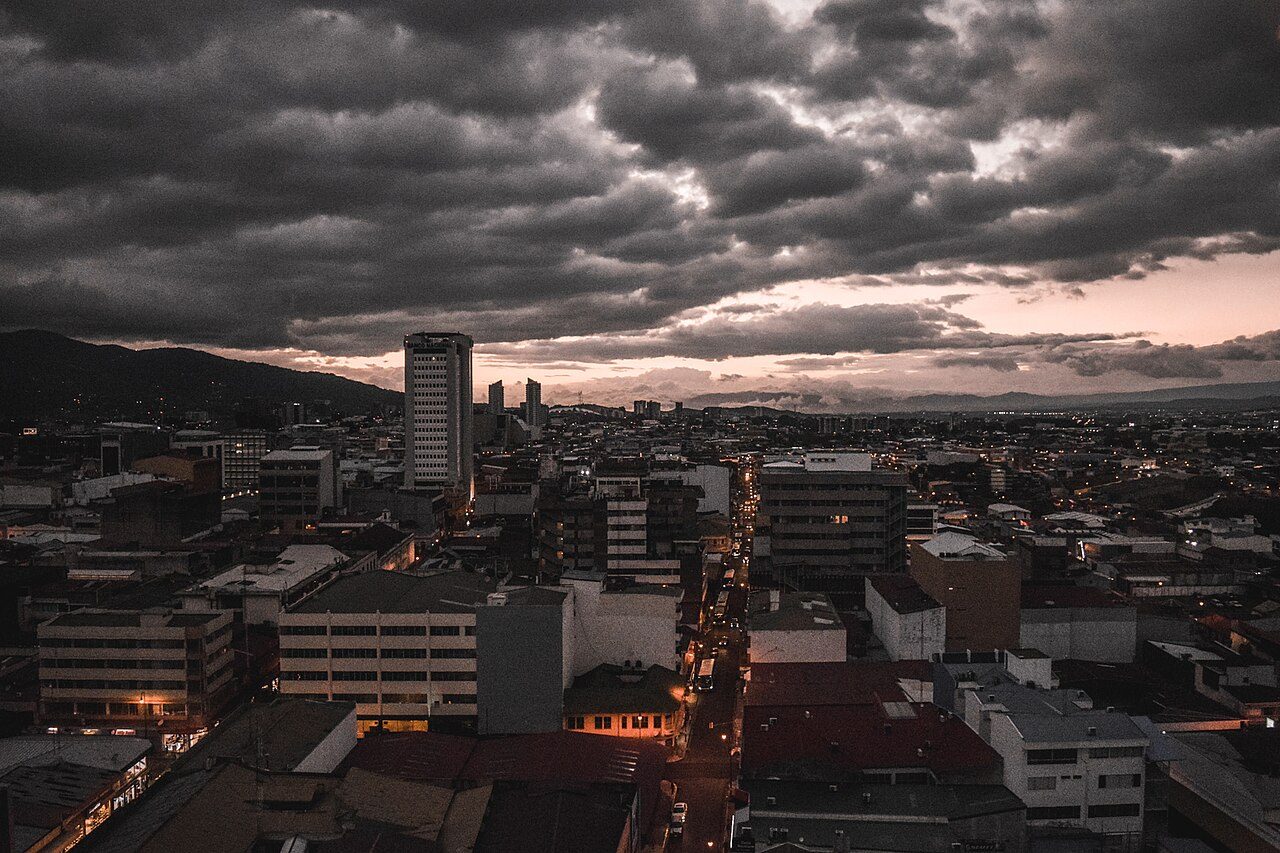
How to move through San Jose efficiently, spend a day well if you choose to stay, and avoid the airport-adjacent costs that catch first-time visitors off guard.
Who is going to San Jose?
Going soon? Add your dates. Anyone who posts overlapping dates later sees you, and you hear about it.
Looking for a travel buddy? Ask travelers a question What should tourists avoid? Post what went wrong on your trip See who is going
Questions from the RuinMyTrip team. Answer one and start the San Jose conversation:
- What should tourists avoid in San Jose?
- Which neighborhood would you stay in on a first visit to San Jose?
- One thing you wish you had known before going to San Jose?
Nobody sees your dates until you post them, and nobody can message you until you say yes.
Most itineraries treat San Jose purely as a transfer point, and that is a reasonable plan given that Juan Santamaria International Airport, about 20 kilometers northwest of downtown, moved a record 6.7 million passengers in 2025. If you are connecting onward the same day, a licensed taxi runs roughly $25 to downtown, or the public bus is a fraction of that cost with service roughly every 10 minutes during working hours, though it takes longer. Rideshare apps like Uber and Didi operate but were in a legally murky spot as of the most recent guidance, with licensed taxis sometimes charging about double the rideshare fare when both are available, so compare before committing either way.
If you do stay, a day or two is enough. Barrio Amon is the standout neighborhood, developed in the late 19th century as the city's first modern district and still carrying genuine Belle Epoque buildings rather than reconstructions. Pair it with a museum or two and you have covered the realistic highlight reel; San Jose is not trying to compete with Manuel Antonio's beaches or Monteverde's cloud forest, and it should not be judged as if it were.
Money matters more here than the guidebooks suggest. The colon trades freely against the dollar, recently around 454 colones per dollar, and while US dollars are accepted widely, you get noticeably better value paying colones for museum entry and local buses, which run about 500 colones a ride with no transfers included. Avoid withdrawing cash at the airport ATMs, where fees run around 4,000 colones on a $100 withdrawal; a bureau de change in the city typically lands within about 1 percent of the real mid-market rate. Also note the coin phase-out: 50 and 500 colon coins stopped being legal tender on July 1, 2025, and the 5, 10, and 25 colon coins follow on July 1, 2026, so check any leftover change from an earlier trip before assuming it still spends.
Weather-wise, January and February are the driest months and September and October the wettest, with San Jose's elevation of roughly 1,030 meters keeping temperatures in a mild 71 to 75 degree Fahrenheit range year-round, so timing a stopover around rainfall rather than heat is the more useful planning lens. On safety, stick to official red taxis with matching plates, avoid unlicensed pirate cabs that commonly double the fare, take a taxi or rideshare directly to bus terminals rather than walking, and eat from stores or official markets rather than street stalls to avoid the contamination risk local guides flag.
Been there? Correct us.
Prices move, routes close, places go downhill. A first-hand review is worth more than this guide and will be shown alongside it.
Share your experienceComments
Start the conversation.