Montego Bay Travel Guide: Getting Around, Money and Timing It Right in 2026
by RuinMyTrip Editorial · Aug 2, 2026
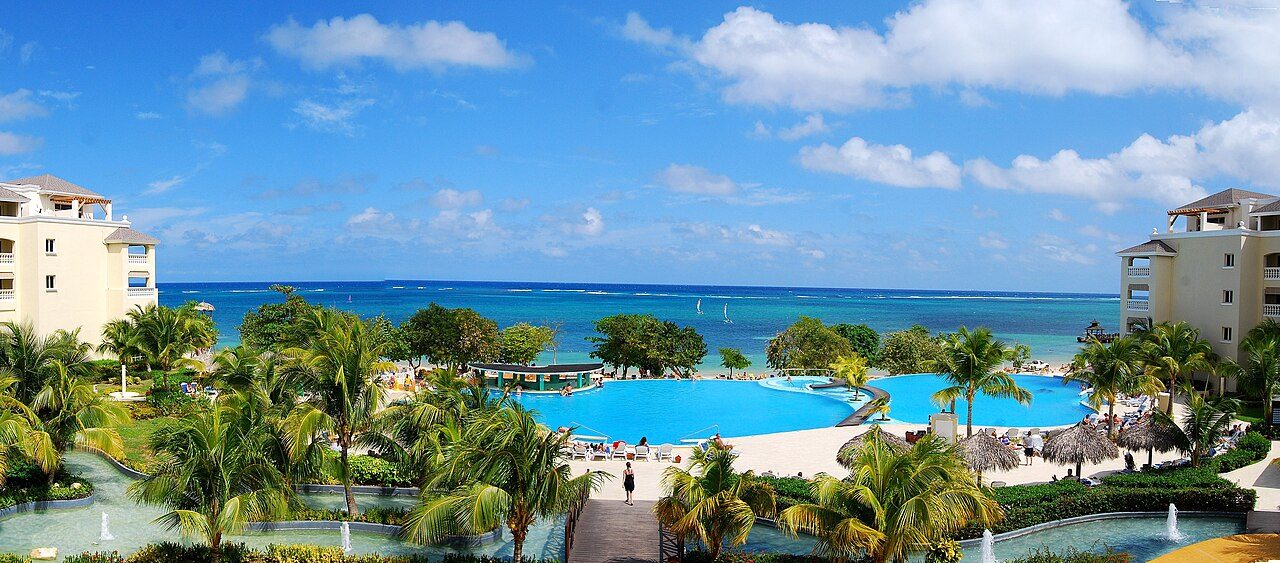
A practical guide to navigating Montego Bay's resort strip, its Jamaican-dollar street economy, and its ongoing recovery from Hurricane Melissa.
Who is going to Montego Bay?
Going soon? Add your dates. Anyone who posts overlapping dates later sees you, and you hear about it.
Looking for a travel buddy? Ask travelers a question What should tourists avoid? Post what went wrong on your trip See who is going
Questions from the RuinMyTrip team. Answer one and start the Montego Bay conversation:
- What went wrong on your Montego Bay trip?
- What should tourists avoid in Montego Bay?
- Which neighborhood would you stay in on a first visit to Montego Bay?
Nobody sees your dates until you post them, and nobody can message you until you say yes.
Almost everyone arrives through Sangster International Airport, historically the busiest airport in the English-speaking Caribbean with 4.3 million passengers in 2017, though post-Hurricane Melissa traffic was still running more than 48 percent below normal as of December 2025, so build in extra buffer for flight schedules and connections that may still be in flux through 2026. Most resorts sit along or near Gloucester Avenue, known locally as the Hip Strip, which is walkable, has sidewalks, and is the most tourist-friendly stretch of the city. Away from that strip, stick to recognized transport: route taxis and minibuses depart from the Barnett Street station, the Montego Bay Metro runs three city bus routes for around J$100 a ride, and a taxi from the Montego Freeport cruise terminal into town runs roughly US$10, with a shuttle bus option at about US$2 per person. Unmarked taxis are best avoided in favor of hotel-arranged transport or recognized services.
On timing, Hurricane Melissa's October 28, 2025 landfall is the defining fact of the current travel picture. Hurricane season runs through the fall, and given that Melissa was the costliest storm in Jamaican history with damage estimated near US$12.2 billion and recovery still ongoing into 2026, travelers booking a late-season trip should watch storm forecasts and check directly with their specific property on reopening status rather than assuming the whole coast is back to normal.
The biggest money-saving move is simply understanding the two-currency reality. Resorts and package tours price everything in US dollars, but the street economy runs on Jamaican dollars at roughly 150 to 160 to the US dollar, where an inexpensive restaurant meal costs about J$1,750, a domestic draft beer about J$350, and local one-way transport about J$150. Carrying some Jamaican dollars and eating or drinking outside the resort occasionally, with a trusted local recommendation, stretches a travel budget considerably further than staying entirely inside the all-inclusive perimeter.
Been there? Correct us.
Prices move, routes close, places go downhill. A first-hand review is worth more than this guide and will be shown alongside it.
Share your experienceComments
Start the conversation.