Medellin travel guide 2026: getting around, where to stay, and staying safe
by RuinMyTrip Editorial · Jul 30, 2026
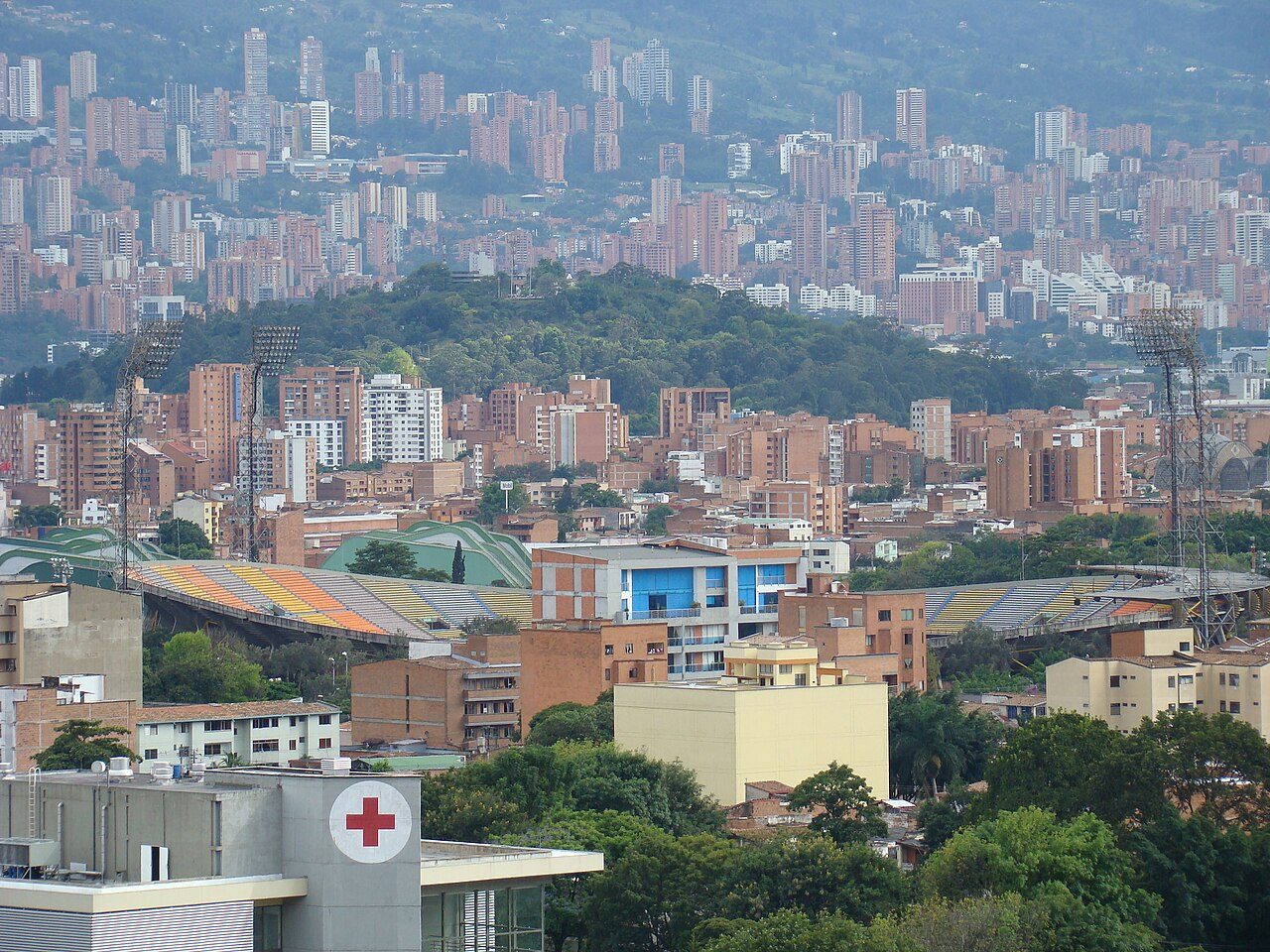
A practical guide to landing at MDE, using the Metro and Metrocable, choosing between El Poblado, Laureles, and Envigado, and the safety habits that actually matter in a city with a real dating-app drugging problem.
Jose Maria Cordova International Airport (MDE) sits up in the hills about 35 to 45 minutes outside the city center, not in it, so budget transfer time and cost into your first and last day. The city-regulated taxi fare into El Poblado is a flat COP 118,000 to 128,000 (about $30 to $32, tolls included), booked at the official taxi counter inside the terminal. Cheaper options exist: a shared colectivo van runs roughly COP 17,000 to 27,000, and a public bus is around COP 17,000 to 20,000, both taking 40 minutes to an hour depending on traffic. Private app-based transfers and Uber also operate, though Uber's legal status in Colombia has fluctuated, so have a backup plan.
Once you're in the city, use the Metro. It is Colombia's only metro system and one of the best-run pieces of public infrastructure in Latin America, connecting downtown with the Metrocable gondola lines that climb into the hillside comunas. As of January 2026, a ride costs COP 3,820 with a rechargeable Civica card (get one at any station) or COP 4,400 for a single-use ticket. Most Metrocable transfers are included in that fare within a 90-minute window; the exception is Line L out to Parque Arvi, a separate tourist line costing an extra COP 13,700 round trip. Riding a cable car up to Santo Domingo gives you a view over the whole Aburra Valley and a look at neighborhoods that were, within living memory, no-go zones.
Where to stay comes down to how much of the international-bubble version of Medellin you want. El Poblado is the default tourist and nomad base: walkable, full of coworking spaces, good restaurants, and nightlife, but also the epicenter of the rent spike that made Medellin Colombia's most expensive rental market in 2025, and the neighborhood most associated with sexual tourism and scam targeting. Laureles is a calmer, more residential alternative with a strong local food and cafe scene, increasingly popular with longer-term nomads who want less of an expat echo chamber, though prices there are climbing too. Envigado, technically a separate municipality just south, is quieter and cheaper still, with easy Metro access into the center.
Safety in Medellin is not about avoiding the city, it's about specific habits. The single most important one: if you use dating apps, meet any match for the first time in a busy public place only, never at a private residence or hotel room, and leave immediately if anything feels off. This is not generic caution, it follows a documented pattern behind multiple tourist deaths from scopolamine drugging since 2023, serious enough that the US Embassy issued direct, repeated warnings about it. Beyond that, follow the local rule of no dar papaya: keep your phone off the street, don't wear visible jewelry or flash cash, and don't walk distracted near the curb, since phone snatching by motorcycle-riding thieves is the most common tourist crime. The country overall sits at US State Department Level 3, Reconsider Travel, though Medellin itself is not in a Do Not Travel zone.
For day trips, Guatape is the standard: catch a bus from Terminal del Norte (reachable via Metro Line A to Caribe station) for about COP 21,000 to 24,000 one-way, roughly a 90-minute to two-hour ride, and get off early to climb Piedra del Penol, a granite monolith with a 649-step staircase and a panoramic view of the reservoir, before continuing into the colorful lakeside town itself. Comuna 13 is the closer-in option, reachable directly by Metro to San Javier station, with guided graffiti tours running COP 80,000 to 120,000 for three to four hours. For money, Colombian pesos are the only realistic way to pay outside upscale El Poblado spots; ATMs are widely available but often charge steep withdrawal fees, so consolidate withdrawals rather than making frequent small ones, and carry small bills since street vendors and older shops rarely break large notes.
Been there? Correct us.
Prices move, routes close, places go downhill. A first-hand review is worth more than this guide and will be shown alongside it.
Share your experienceComments
No comments yet.