Kathmandu Travel Guide: Air Quality, Permits and Season in 2026
by RuinMyTrip Editorial · Aug 2, 2026
How to time a Kathmandu trip around the valley's pollution seasons and the monsoon, and what Nepal's 2026 permit changes actually cost trekkers versus climbers.
Who is going to Kathmandu?
Going soon? Add your dates. Anyone who posts overlapping dates later sees you, and you hear about it.
Looking for a travel buddy? Ask travelers a question What should tourists avoid? Post what went wrong on your trip See who is going
Questions from the RuinMyTrip team. Answer one and start the Kathmandu conversation:
- Which neighborhood would you stay in on a first visit to Kathmandu?
- One thing you wish you had known before going to Kathmandu?
- What is overrated in Kathmandu, and what is worth it instead?
Nobody sees your dates until you post them, and nobody can message you until you say yes.
Kathmandu sits at about 1,400 metres in a bowl-shaped valley, and that shape is the reason air quality dominates any honest planning conversation. When the weather goes calm, the bowl traps pollution. IQAir listed Kathmandu among the world's ten most polluted major cities on February 12 and April 22, 2026, and ranked it the single most polluted major city in the world on March 8, 2026, with AQI over 200 in the very unhealthy band and PM2.5 the dominant pollutant. The bad stretch runs January through May and again in November and December, worsened between March and May by forest fires, stubble burning, waste burning and brick kilns. This has a long history: PM2.5 measured 49 micrograms per cubic metre in 2013, 4.9 times the WHO recommendation, and a November 2019 report attributed 9,943 annual premature deaths in the city to air pollution. Bring an N95-class mask, check a live AQI reading before booking, and if you have a respiratory condition treat the winter and spring months as a genuine contraindication rather than an inconvenience.
Season works against you in the other direction too. About 65 percent of the valley's annual precipitation falls in the monsoon months of June to September. Monsoon air is clean and the valley is green, but mountain views close in and landslides disrupt road routes. That leaves late September through early November as the classic window: clear air after the rains, open views, and the traditional trekking high season, which is also the busiest and priciest.
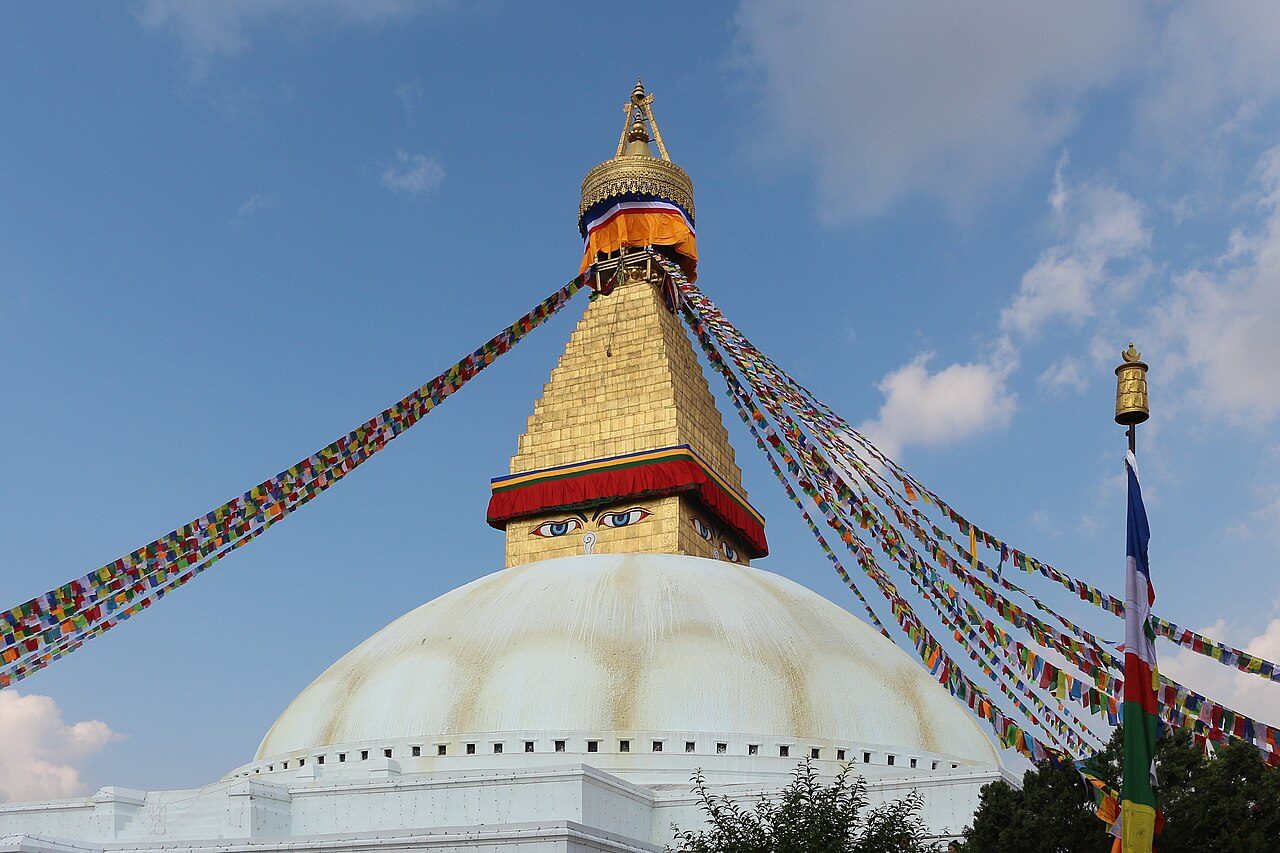
On permits, distinguish clearly between trekking and climbing, because the 2026 changes hit only the second. For trekkers heading into the Everest region, the Khumbu Pasang Lhamu Rural Municipality permit costs NPR 3,000, roughly $23, covering the first four weeks, and Sagarmatha National Park entry is NPR 3,000 plus 13 percent VAT, about $28. Those are unchanged in substance and still cheap. For climbers, Nepal raised the Everest royalty on the standard south route from $11,000 to $15,000 for the March-to-May spring season, from $5,500 to $7,500 for autumn and from $2,750 to $3,750 for winter and monsoon, and added a mandatory Nepali guide on every expedition, a $4,000 waste management fee and proof of body-repatriation insurance. The stated purpose was cutting pollution and crowding; the outcome so far is that Nepal issued a record 492 Everest permits for 2026, a season that had already seen five deaths, three on Everest and one each on Makalu and Makalu II. In the valley itself, the sights are close together: Kathmandu Durbar Square, the Swayambhu Mahachaitya, Boudhanath and Pashupatinath are all UNESCO-recognised and all reachable within a day or two of each other, which makes a short acclimatisation stopover here worth building into any trekking itinerary.
Been there? Correct us.
Prices move, routes close, places go downhill. A first-hand review is worth more than this guide and will be shown alongside it.
Share your experienceComments
Start the conversation.