Jaipur Practical Guide: Tickets, Transport, and Timing
by RuinMyTrip Editorial · Aug 1, 2026
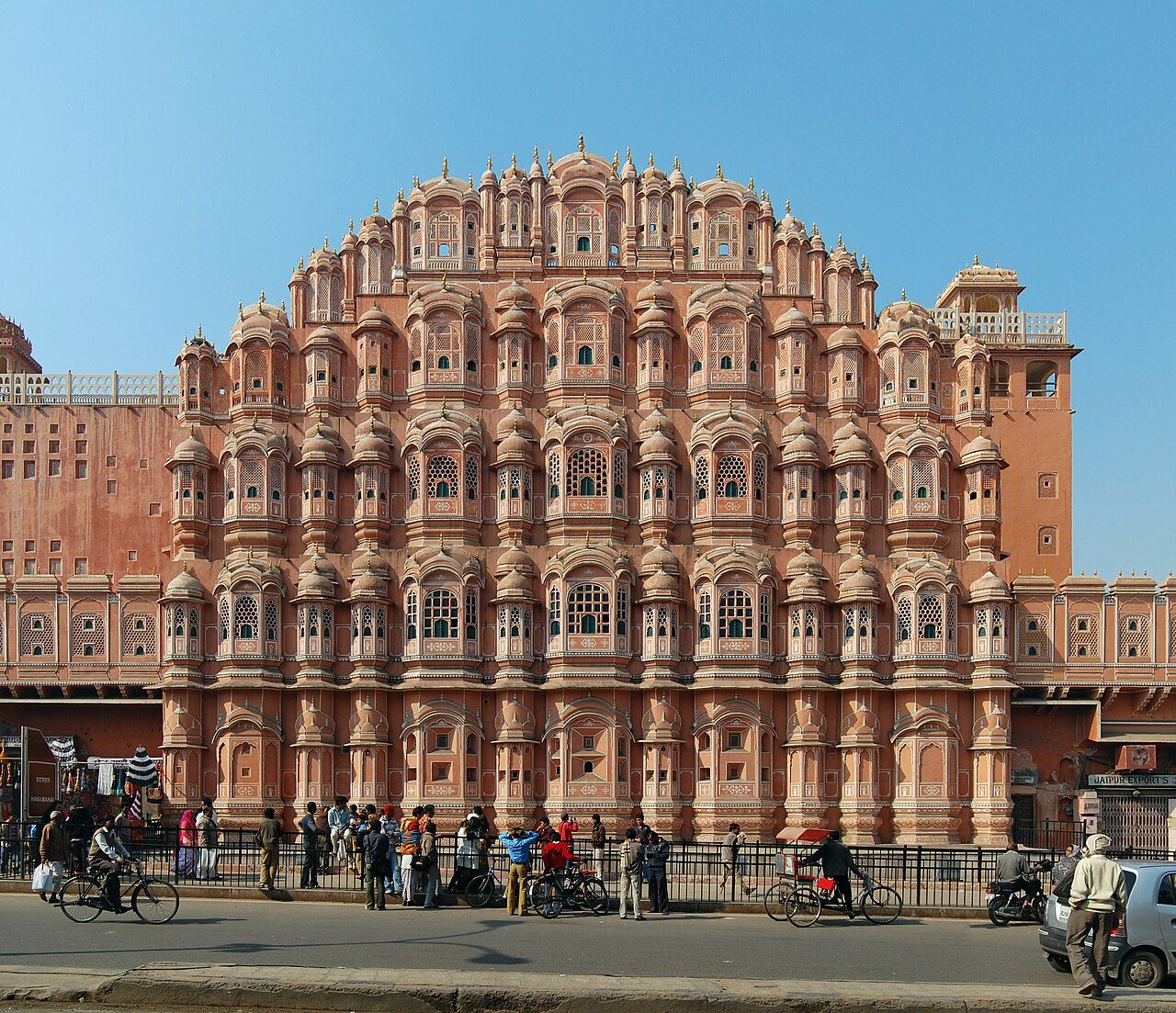
A practical rundown of what it actually costs and takes to see Jaipur's forts and palaces without overpaying or getting steered into a commission shop.
Who is going to Jaipur?
Going soon? Add your dates. Anyone who posts overlapping dates later sees you, and you hear about it.
Looking for a travel buddy? Ask travelers a question What should tourists avoid? Post what went wrong on your trip See who is going
Questions from the RuinMyTrip team. Answer one and start the Jaipur conversation:
- One thing you wish you had known before going to Jaipur?
- What is overrated in Jaipur, and what is worth it instead?
- What went wrong on your Jaipur trip?
Nobody sees your dates until you post them, and nobody can message you until you say yes.
Jaipur's must-see list is Amber Fort, City Palace, and Hawa Mahal, and all three use a two-tier pricing system where Indian nationals pay a fraction of what foreign visitors pay. Amber Fort runs roughly 100 rupees for Indian adults against 500 rupees for foreign adults, City Palace is about 400 rupees versus 1200 rupees, and Hawa Mahal is the widest gap at roughly 10 rupees versus 200 rupees. If your itinerary covers more than two sites, the composite ticket, about 300 rupees for Indian adults or 1000 rupees for foreign adults and valid across two days, is the better deal. Bring a student ID if you have one, since most sites also offer a discounted student rate on top of the base tiers.
Getting around the city, the Jaipur Metro opened in June 2015 as India's sixth metro system and charges fares generally between 5 and 25 rupees, making it the cheapest and most scam-free way to move between stops on its line. For everywhere else, auto-rickshaws are the default, and the standard local advice is to negotiate one all-in price for a driver's time, fuel, and parking before you get in rather than paying per stop, and to firmly refuse any detour to a jewelry, gem, or carpet shop a driver suggests, since these operate on a commission system that has nothing to do with quality or price. The same commission dynamic applies to some tour guides at government emporiums.
On timing, aim for December through February, when daytime temperatures are mild and comfortable for a full day of walking. Avoid May and June if you can, historical highs have reached 49.0°C, and the July to August monsoon brings heavy, concentrated rainfall rather than the steady drizzle some travelers expect. Foreign nationals need a visa to enter India; the e-Tourist visa is the standard route, priced around 10 dollars for a 30-day visa from April to June, 25 dollars from July to March, or 40 to 200 dollars for the 1-year and 5-year options respectively, both of which cap stays at 180 days per year. Apply online in advance rather than assuming visa-on-arrival is available, since eligibility varies by nationality.
Been there? Correct us.
Prices move, routes close, places go downhill. A first-hand review is worth more than this guide and will be shown alongside it.
Share your experienceComments
Start the conversation.