Buenos Aires Travel Guide 2026: Money, Transit, and Neighborhoods
by RuinMyTrip Editorial · Aug 1, 2026
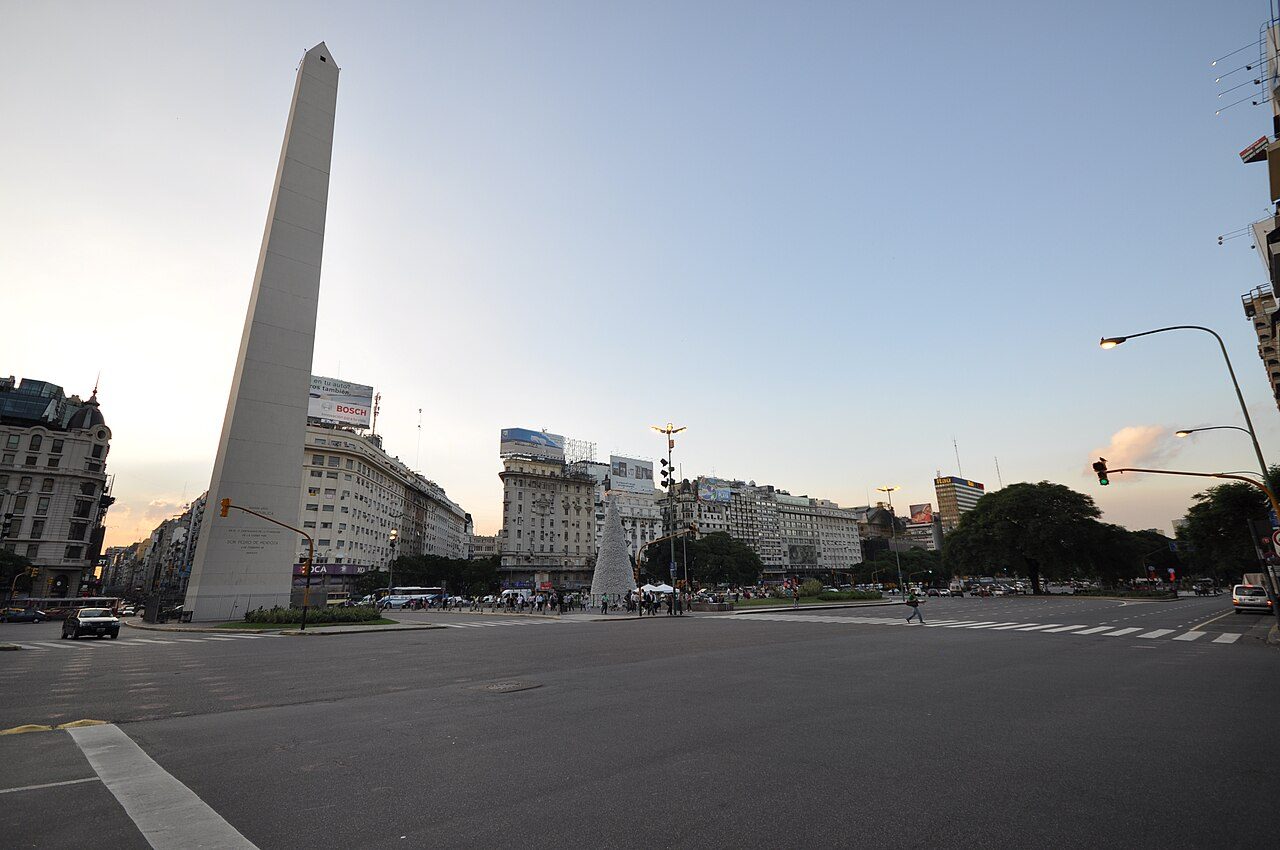
A practical rundown of how to move around Buenos Aires, when to visit, which neighborhoods to base yourself in, and how to avoid the currency traps that snag first-time visitors.
Who is going to Buenos Aires?
Going soon? Add your dates. Anyone who posts overlapping dates later sees you, and you hear about it.
Looking for a travel buddy? Ask travelers a question What should tourists avoid? Post what went wrong on your trip See who is going
Questions from the RuinMyTrip team. Answer one and start the Buenos Aires conversation:
- What should tourists avoid in Buenos Aires?
- Which neighborhood would you stay in on a first visit to Buenos Aires?
- One thing you wish you had known before going to Buenos Aires?
Nobody sees your dates until you post them, and nobody can message you until you say yes.
Getting around is straightforward and cheap once you have a SUBE card, which you load with pesos and tap on the Subte, city buses (colectivos), and some suburban trains, it costs roughly 30 to 60 cents a ride versus about a dollar when a foreign card is tapped directly. Taxis and rideshares like Uber and Cabify are widely available and inexpensive by international standards, with meters starting around 300 pesos and adding roughly 60 pesos per kilometer, and airport transfers to or from Ezeiza typically run 40 to 60 dollars. The Subte is efficient for central neighborhoods but lines A and B get crowded at rush hour, which is exactly when pickpocket teams are most active, so keep bags zipped and phones off the curb edge.
Seasonally, Buenos Aires sits in the Southern Hemisphere, so its summer (December to February) is hot and humid while its autumn and spring, March to May and September to November, bring milder, more comfortable weather and are generally considered the best times to visit. Winter (June to August) is cool but rarely harsh, and it is also low season, meaning hotel rates soften.
For neighborhoods, Palermo is the most tourist-friendly base with restaurants, nightlife, and green space, but stay alert there too since it shows up repeatedly in current theft advisories. San Telmo has cobblestone charm, antiques markets, and tango history, and it doubles as one of the more theft-prone areas, especially around its Sunday street fair. Recoleta is quieter, upscale, and close to the famous cemetery. Puerto Madero is the newest, most polished, and safest-feeling district, home to premium tango venues like Rojo Tango, though also the most expensive.
On money, the biggest change in years is that Argentina's official, blue-market, and MEP dollar rates converged after the April 2025 reform that ended the old cepo currency controls, so there is far less reason to hunt for a black-market cash exchange than there used to be, and doing so now mainly adds counterfeit-bill risk rather than meaningfully better pricing. Carry small denomination pesos, verify any large bill you receive, and never let a stranger who claims to be a police officer handle your cash on the street.
Been there? Correct us.
Prices move, routes close, places go downhill. A first-hand review is worth more than this guide and will be shown alongside it.
Share your experienceComments
Start the conversation.